Biofuels Feasibility Expert
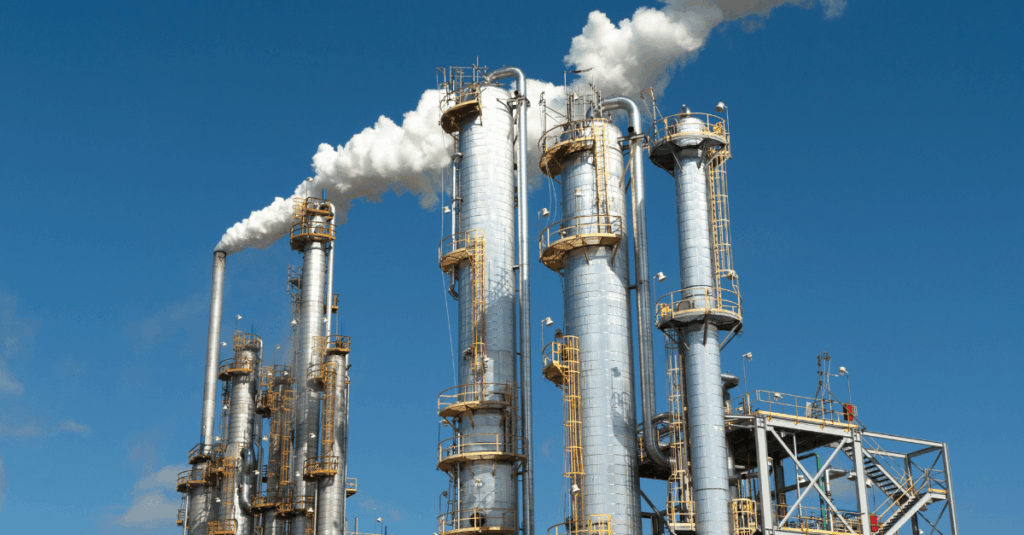
A biofuels feasibility expert helps investors, developers, and lenders evaluate whether a proposed project can realistically achieve the technical, commercial, and financial milestones outlined in a business plan. The objective is to determine whether a project can be executed as proposed and perform as expected under real-world conditions.
Feasibility assessments typically examine feedstock availability, site selection, process design and performance, logistics, and market demand. This work is intended to identify execution risks early and assess whether a project can be delivered on schedule and operate at its intended capacity and cost.
Biofuels feasibility experts also support technology selection, due diligence, and the preparation of loan and grant applications, providing an independent perspective grounded in hands-on project experience. Effective feasibility work requires an understanding of biofuels supply, demand, and pricing dynamics, as well as familiarity with renewable fuel mandates, credits, and regulatory requirements.
As projects advance, feasibility experts may perform peer reviews of engineering design, develop capital and operating cost opinions, and assist with permitting and regulatory submissions. During construction and commissioning, they can support construction oversight, start-up planning, and commissioning reports, as well as review proposed staffing plans to ensure the operating team has the experience required to run the facility successfully.
In dispute or litigation contexts, experienced biofuels feasibility experts may also provide expert witness services, offering independent technical and commercial analysis grounded in real-world project execution.
A qualified biofuels feasibility consultant brings a deep technical and commercial background supported by both education and practical experience. This includes familiarity with multiple biofuel production pathways, an understanding of their relative strengths and limitations, and direct experience moving projects from concept through construction and operation.
LEC Partners has supported bioeconomy projects for more than 25 years, providing independent, evidence-based analysis across biofuels, biomaterials, feedstocks, and emerging technologies. Our work is focused on reducing technical and economic risk through rigorous feasibility assessment, due diligence, and project execution support.
Questions We Commonly Address
What determines whether a biofuels project is feasible?
Feasibility depends on feedstock availability, technology performance, site conditions, capital and operating costs, market demand, and regulatory considerations. Weakness in any one area can materially affect project outcomes.
How early should feasibility work be performed?
Independent feasibility assessment is most effective early in project development, before major capital is committed or technology and site decisions are locked in.
How does feasibility differ from due diligence?
Feasibility focuses on whether a project can work as proposed, while due diligence evaluates risk and assumptions for investors, lenders, or other stakeholders considering a transaction.
Can feasibility experts support financing and funding efforts?
Yes. Independent feasibility analysis often supports loan, grant, and investment applications by strengthening technical justification and risk mitigation strategies.
Discuss Your Biofuels Project
If you are evaluating a biofuels project, investment, or financing opportunity, LEC Partners can provide independent feasibility and due diligence support to help clarify technical risk, market assumptions, and execution challenges.
Further Reading
LEC Insights
Technical Feasibility in Renewable Projects
How technical feasibility assessments evaluate process design, performance risk, and
execution readiness across renewable and bioeconomy projects.
Market Feasibility Studies in the Bioeconomy
How market analysis informs demand assumptions, pricing, and long-term competitiveness
in bioeconomy projects.
Assessing Biotechnology Feasibility
Key considerations for evaluating biotechnology readiness, scale-up risk, and
commercialization potential.
Other Trusted Industry Sources
U.S. Energy Information Administration – Biofuels
Federal data and analysis covering biofuels production, supply, demand, and pricing.
EPA Renewable Fuel Standard (RFS)
Regulatory framework governing renewable fuel obligations, credits, and compliance.
International Energy Agency – Bioenergy
Global perspectives on bioenergy technologies, markets, and policy developments.
Explore more insights

Have some questions?
Not sure where to start?
Let's start a conversation. We're here to help you navigate
the bioeconomy with confidence.