Waste to Energy Expert
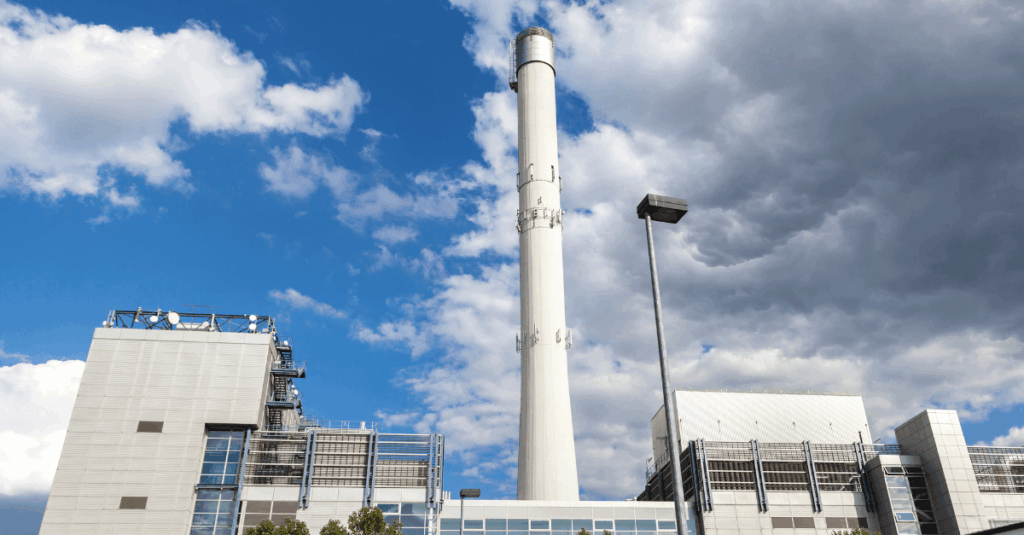
What a Waste-to-Energy Expert Does
A waste-to-energy expert is a technical specialist with deep experience assessing, designing, and improving systems that convert a wide range of waste feedstocks into usable energy and value-added products. These feedstocks often include food waste, manure, municipal solid waste, wastewater solids, landfill-derived materials, and waste oils.
Depending on the project, the expert may work with technologies such as anaerobic digestion, combustion, pyrolysis, gasification, hydrothermal processing, and other thermochemical or biological pathways. Their job is to evaluate feedstock characteristics, match them with the right technology platform, and identify operational and economic considerations that determine project success.
Why Waste-to-Energy Expertise Matters
Many waste-producing sectors are facing new expectations—reduced emissions, improved nutrient management, and better stewardship of organic byproducts. Livestock operations navigating manure handling mandates, food manufacturers managing disposal costs, and municipalities adapting to landfill diversion policies all need solutions that balance compliance, economics, and operational feasibility.
A seasoned WTE expert ensures that projects are grounded in sound engineering, realistic performance assumptions, and clear pathways to implementation. This includes understanding integration with existing operations, permitting requirements, utility interconnections, byproduct handling, and long-term operating expectations.
Common Waste-to-Energy Challenges
Feedstock Variability
Waste streams are rarely uniform. Changes in moisture, contaminants, or organics can affect conversion yields and system stability. Effective feedstock characterization is foundational to accurate design.
Technology Selection and Scale
Biological, thermochemical, and hybrid systems all behave differently. Matching capacity, residence times, emissions profiles, and utilities to project needs is essential to avoid costly redesigns.
Regulatory Requirements
Air permitting, nutrient management, digestate handling, and interconnection rules vary across jurisdictions. Projects must align technical choices with regulatory realities from day one.
Economic Viability
Projects must withstand changing energy markets, tipping fee structures, and shifting incentive programs. Independent, experience-based due diligence protects investors and operators from unexpected exposure.
How Waste-to-Energy Experts Support Successful Projects
WTE experts provide clarity and risk reduction throughout the project lifecycle. Typical support includes:
- Feasibility assessments and early-stage technology screening
- Feedstock testing and performance modeling
- Process design reviews and scale-up evaluation
- Independent engineering and due diligence
- Regulatory and permitting guidance
- Operational troubleshooting for existing facilities
For investors, experts validate assumptions and strengthen confidence in project fundamentals. For operators, they help identify realistic operating windows, maintenance requirements, and opportunities for improvement.
How LEC Partners Helps
For more than 30 years, LEC Partners has supported organizations across the bioeconomy with practical, implementation-focused expertise. Our network of more than 150 subject matter specialists covers anaerobic digestion, biomass conversion, fermentation, pyrolysis, gasification, landfill gas, renewable natural gas, syngas systems, carbon utilization, wastewater-to-energy, and other thermochemical and biochemical pathways.
We apply a structured approach that blends engineering rigor with real-world operating experience. Whether assessing a new WTE facility, troubleshooting an existing system, or validating the technical basis of an investment, we focus on reducing risk and helping clients move forward with confidence.
Frequently Asked Questions
What does a waste-to-energy expert evaluate?
They evaluate feedstock characteristics, technology suitability, process risks, economic drivers, permitting pathways, and operational requirements.
Which waste-to-energy technologies are most common?
Combustion and anaerobic digestion remain widely used, with growing interest in pyrolysis, gasification, and hydrothermal processes depending on feedstock and goals.
Who typically hires a waste-to-energy expert?
Municipalities, livestock operations, waste processors, equity investors, project developers, and engineering firms often engage experts for validation or implementation support.
Can WTE projects generate multiple revenue streams?
Yes. Energy sales, tipping fees, carbon credits, nutrient products, and renewable fuel programs can support project economics.
How does LEC Partners support complex WTE projects?
We assemble multidisciplinary teams with engineering, operational, financial, and regulatory expertise to guide projects from concept through operation.
Work With LEC Partners
Need guidance on a waste-to-energy project? Our team of more than 150 experts helps investors, developers, and operators reduce risk and move forward with clarity.
Further Reading
LEC Insights
Anaerobic Digestion Expert
How specialists evaluate and improve digestion projects.
Key Methods of Waste-to-Energy Conversion
Transforming waste into clean, renewable energy solutions
Turning Food Waste into Energy
Turning food waste and oils into clean energy
Other Trusted Industry Sources
IEA: Waste-to-Energy
Global trends and data on WTE pathways.
EPA: Organic Waste & Energy
Regulatory and sustainability frameworks for organic waste.
Waste360
Industry news and insights on waste and resource recovery.

Have some questions?
Not sure where to start?
Let's start a conversation. We're here to help you navigate
the bioeconomy with confidence.