USDA REAP Final Rule: What Rural Energy Applicants Need to Know
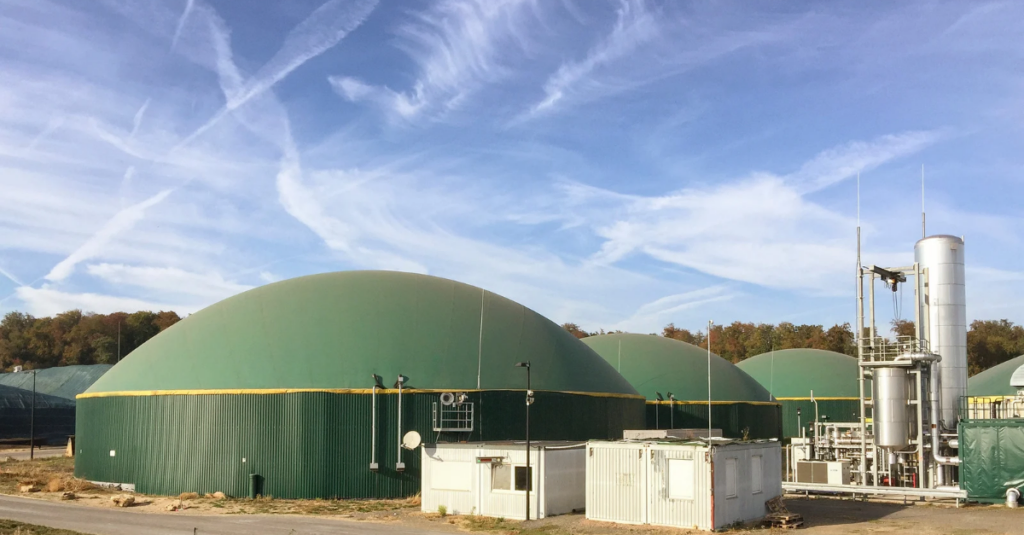
USDA REAP Final Rule: Program Update
Program: Rural Energy for America Program (REAP)
Rule Reference: RIN 0570–AB13
Agency: USDA Rural Development, Rural Business-Cooperative Service
Eligible Applicants: Agricultural Producers and Rural Small Businesses
Reported Application Structure: Post-Project Completion
Reported Data Requirement: 12 Months of Pre-Installation and 12 Months of Post-Installation Energy Data
Funding Available: To Be Announced
Projected Funding Window: January 2027 — Not Yet Confirmed
Application Deadline: Not Announced
Important: This article summarizes information supplied about the REAP final rule. Applicants should verify operative requirements, effective dates, and funding terms against the published rule and USDA’s subsequent funding notices.
USDA REAP Final Rule: What Is Changing?
The USDA REAP final rule described in the program update would change how agricultural producers and rural small businesses apply for renewable energy and energy efficiency grants. The most significant reported change is a shift from seeking assistance before project completion to applying after an eligible project has been installed and is operating.
Under the structure outlined in the supplied rule summary, applicants would complete their projects first, collect actual energy performance information, and then submit a grant application for USDA evaluation.
That change has substantial implications for project planning. Instead of treating an anticipated grant as part of the financing available during construction, applicants would need to consider how to fund installation and initial operation before any grant award decision.
The summary also identifies a requirement for 12 months of energy production or savings data following installation, together with 12 months of pre-installation information. For project sponsors, this makes energy measurement and recordkeeping important early planning considerations.
The reported changes should be evaluated against the official published rule before applicants make financing or scheduling commitments.
What Is the Rural Energy for America Program?
The Rural Energy for America Program, commonly called REAP, provides assistance to eligible agricultural producers and rural small businesses for renewable energy systems and energy efficiency improvements.
The program also supports energy audits and renewable energy development assistance, helping eligible rural organizations identify opportunities to improve energy performance.
Renewable energy and efficiency projects can affect operating costs, energy consumption, facility reliability, and long-term capital planning. For agricultural businesses, energy costs may be associated with irrigation, processing, refrigeration, grain handling, livestock operations, or other energy-intensive activities.
For rural small businesses, energy improvements may involve building systems, production equipment, or renewable energy generation.
The appropriate project design depends on the site’s energy use, available resources, technical constraints, and economic objectives.
Post-Completion Grant Applications: A Different Project Financing Model
According to the supplied REAP final rule summary, projects must be fully constructed and operational before an applicant submits a grant application.
That is a significant distinction from a funding process in which applicants seek an award before committing to project construction.
What This Means for Project Sponsors
If the reported post-completion structure applies to a project, sponsors would need to arrange the capital necessary to purchase equipment, complete installation, and begin operating the system without assuming a REAP grant will be awarded in advance.
They would also need to account for the time required to establish operating performance before applying.
Important financial considerations include:
- Availability of construction and installation financing
- Working capital requirements during project development
- Interest expense and financing costs
- Equipment procurement and installation schedules
- Commissioning and operational readiness
- Energy monitoring and reporting costs
- Potential delays before grant application eligibility
- The possibility that a completed project will not receive an award
Applicants should not assume that completing an otherwise eligible project guarantees grant funding. The submission states that awards remain subject to USDA’s evaluation and the availability of funds.
Why the Change Matters
A post-completion application process changes the role of a grant in project financial planning.
Rather than relying on a prospective grant to close the initial construction funding gap, a project sponsor may need to evaluate whether the project can proceed without a guaranteed award.
This places greater emphasis on project economics, access to capital, expected energy performance, and the ability to carry financial risk during the operating and application periods.
Understanding the 12-Month Energy Data Requirement
The supplied summary identifies two distinct sets of energy performance information:
- Pre-installation data: 12 months of energy information from before the renewable energy system or efficiency improvement was installed
- Post-installation data: 12 months of actual energy production or savings information after installation
These records would allow an applicant to document how a completed project performed relative to the conditions that existed before installation.
Why Baseline Data Matters
Pre-installation information establishes the starting point for evaluating a project’s energy performance.
Depending on the project, relevant records may include utility bills, metered energy consumption, equipment operating data, or other information appropriate to the energy system being evaluated.
Without reliable baseline information, it may be difficult to demonstrate the changes associated with a completed project.
Why Post-Installation Monitoring Matters
Actual operating results can differ from projections developed during project planning.
For example, a solar installation’s electricity production may vary with weather, equipment availability, system design, and site conditions. An efficiency improvement may perform differently as operating schedules, production volumes, or equipment utilization change.
Developers should consider measurement needs before construction rather than attempting to reconstruct the required information after the project is operating.
Specific measurement methods, documentation standards, and any allowable exceptions must be confirmed against USDA’s official rule and funding instructions.
Renewable Energy and Energy Efficiency Projects Under REAP
REAP assistance addresses renewable energy systems and energy efficiency improvements for eligible agricultural producers and rural small businesses.
Projects may involve different technologies depending on site requirements and program rules.
Examples of technologies that applicants may wish to evaluate include:
- Solar energy systems
- Biomass-based energy systems
- Biogas and anaerobic digestion systems
- Other renewable energy generation technologies
- Energy-efficient processing equipment
- Facility lighting and building-system improvements
- Heating, cooling, and refrigeration efficiency measures
- Other equipment or operational improvements that reduce energy consumption
These examples illustrate potential project categories; they do not establish eligibility under a future REAP funding notice.
Applicants should confirm that the specific technology, installation, ownership structure, and proposed costs meet the applicable program requirements.
Eligibility for Agricultural Producers and Rural Small Businesses
The supplied funding submission identifies two primary applicant groups:
- Agricultural producers
- Rural small businesses
Eligibility depends on the requirements established by USDA, including applicable definitions and any additional conditions in the relevant funding notice.
Project sponsors should evaluate organizational eligibility separately from project eligibility. A business may fall within an eligible applicant category while a particular project or expense does not qualify.
Organizations should also confirm any location, ownership, operating-history, or documentation requirements before relying on potential funding in their capital plans.
How USDA Would Evaluate Applications
According to the supplied summary, USDA would evaluate applications for:
- Completeness
- Eligibility
- Risk
- Merit
Grant awards would also depend on available funding and criteria established in an annual notice.
This means an applicant would need more than evidence that a renewable energy system has been installed.
Accurate project documentation, credible energy performance records, and a clear description of project outcomes may all be important to preparing an application that can be evaluated.
The exact scoring factors, award amounts, and application procedures have not been provided in the uploaded submission.
Projected January 2027 REAP Funding Window
The funding submission indicates that a REAP funding window is projected to open in January 2027.
This is a projected date, not a confirmed application opening or deadline.
The submission does not identify a funding amount, grant award range, cost-sharing requirement, or application closing date.
Those details should be confirmed when USDA publishes the applicable funding notice.
Prospective applicants can monitor current federal funding opportunities and official USDA program announcements for updates.
Planning Considerations Before Installing a REAP Project
The reported post-completion approach makes advance planning especially important.
Before committing capital, project sponsors should consider the following questions:
- Does the project meet the applicable REAP eligibility requirements?
- Can the organization finance construction without a guaranteed grant?
- Is the energy baseline documented and available?
- Can the completed system provide reliable operating data?
- Does the project have a realistic commissioning schedule?
- Are projected energy savings or production technically credible?
- What are the operating and maintenance requirements?
- How will the project perform if grant funding is not awarded?
- Are project records sufficient to support a future application?
These questions should be addressed through technical and financial evaluation before equipment is purchased.
A structured technology assessment can help identify performance uncertainties, operating assumptions, and implementation risks.
How LEC Partners Supports Rural Energy Project Development
LEC Partners provides technical and commercial support for organizations evaluating renewable energy, bioenergy, biogas, waste-to-value, and industrial energy projects.
Through a network of more than 150 subject-matter experts, we help clients assess project feasibility, technology performance, implementation requirements, and commercial risks.
For agricultural producers, rural businesses, and project developers evaluating REAP-related investments, relevant support may include:
- Renewable energy technology assessments
- Project feasibility studies
- Technical and commercial due diligence
- Energy and process performance evaluations
- Biogas and biomass energy project assessments
- Techno-economic analysis
- Project development planning
- Equipment and process integration reviews
- Risk assessment and implementation support
- Commercialization and operational planning
Our work focuses on practical project decisions: whether a technology is suitable, whether its economics are credible, and which technical or implementation risks need attention.
For projects involving significant capital commitments before a potential grant application, careful feasibility work can help sponsors understand the consequences of proceeding without guaranteed funding.
Learn more about our project development and operations support.
Frequently Asked Questions
What is the USDA REAP final rule?
The USDA REAP final rule described in the supplied program update changes the reported application structure for renewable energy and energy efficiency grants, including a post-completion application process and requirements for actual energy performance data. Applicants should confirm operative requirements against the published rule.
Do projects need to be completed before applying?
According to the supplied rule summary, projects must be fully built and operational before applicants submit grant applications. Applicants should verify when and how this requirement applies under USDA’s official rule and funding notice.
What energy data would applicants need to provide?
The summary identifies 12 months of energy production or savings data after installation, together with 12 months of pre-installation energy data. USDA’s official instructions should be consulted for specific documentation requirements.
Who is eligible for USDA REAP assistance?
The program identifies agricultural producers and rural small businesses as eligible applicant categories. Specific eligibility conditions must be confirmed under the applicable USDA requirements.
When will the next REAP funding window open?
The supplied funding submission projects a January 2027 opening. That date has not been established as a confirmed application window in the materials provided.
How much REAP funding will be available?
The funding amount has not been announced in the supplied submission. USDA is expected to provide funding details through a subsequent notice.
Does completing an eligible project guarantee a REAP grant?
No. The supplied summary states that USDA will evaluate applications for completeness, eligibility, risk, and merit, and that awards are subject to available funds and applicable annual notice criteria.
How should applicants prepare for the reported changes?
Applicants should evaluate project financing, confirm eligibility, document pre-installation energy use, establish reliable monitoring procedures, and review official USDA requirements before committing capital.
Talk With an Expert
LEC Partners brings together more than 150 bioeconomy specialists to help clients reduce risk and move projects forward with confidence. Whether you need technology assessment, due diligence, or support from planning through startup, we can help.
Further Reading
LEC Insights
Current Federal Funding Opportunities
Explore federal funding announcements relevant to renewable energy, rural businesses, and project development.
Technology Assessment Services
Understand how independent technology evaluation can identify performance, feasibility, and operating risks.
Project Development & Operations
Learn about practical project planning, implementation, and operational support for energy investments.
Other Trusted Industry Sources
USDA Rural Development: REAP
Official program information and guidance for renewable energy and energy efficiency assistance.
Federal Register
Published federal rules and notices, including materials that can be searched by rule identifier RIN 0570–AB13.
Grants.gov
Federal grant listings and application resources for monitoring future funding announcements.


Have some questions?
Not sure where to start?
Let's start a conversation. We're here to help you navigate
the bioeconomy with confidence.