DOE AFFO Funding Outlook: Alternative Fuels and Feedstocks
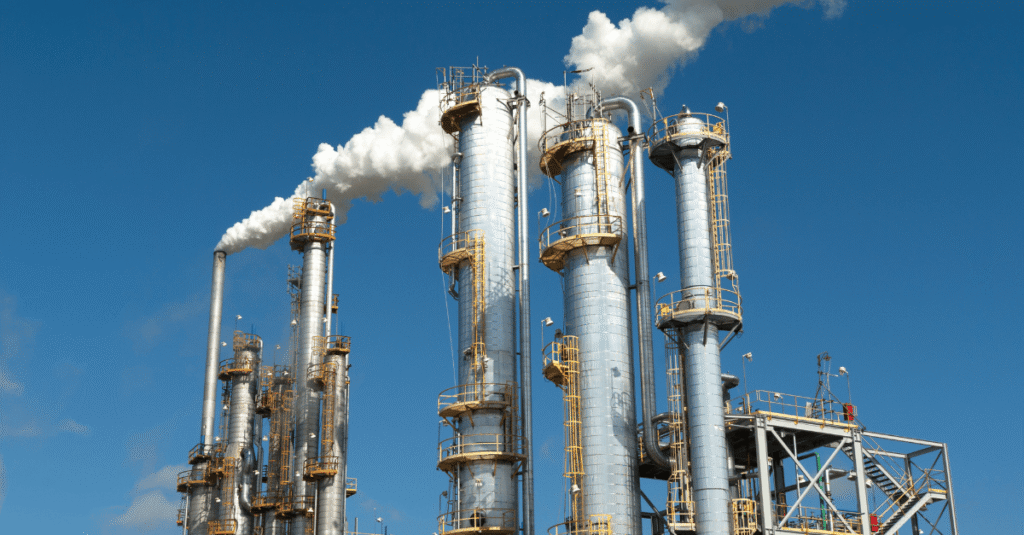
DOE AFFO Multi-Topic Notice of Intent
Funding Opportunity Reference: DE-FOA-0003648
Agency: U.S. Department of Energy (DOE)
Office: Office of Critical Minerals and Energy Innovation (CMEI), Alternative Fuels and Feedstocks Office (AFFO)
Status: Notice of Intent (NOI) — Not an Open Funding Opportunity
Potential Funding: $60 Million (Preliminary)
Anticipated NOFO Release: November 13, 2026 (Subject to Change)
Proposed Topic Areas: Bio-intermediate Depots; Refinery Integration; Hydrogen/Natural Gas Blending Pilot Sites
Cost Sharing: Not Yet Specified
Application Deadline: Not Announced
Important: DOE may issue a future Notice of Funding Opportunity. The anticipated funding, program structure, eligibility requirements, and release date are subject to change. A NOFO is not guaranteed.
DOE AFFO Notice of Intent: Program Overview
The DOE AFFO funding outlook identifies a potential $60 million federal funding opportunity for research, development, and demonstration (RD&D) projects involving alternative chemicals, fuels, and feedstocks. The proposed initiative would leverage existing U.S. biomass resources, refinery infrastructure, hydrogen resources, and natural gas distribution systems.
DOE has issued a Notice of Intent (NOI) under opportunity reference DE-FOA-0003648. This notice describes a potential future Notice of Funding Opportunity (NOFO), but it does not establish an active application process or guarantee that funding will be released.
If DOE proceeds, the proposed program would focus on technologies that make better use of domestic infrastructure and resources to expand alternative fuel and chemical production.
The NOI identifies three potential topic areas: bio-intermediate depots, integration of alternative feedstocks into existing refineries, and pilot-scale hydrogen blending within natural gas distribution systems.
For technology developers and project sponsors, the announcement provides an opportunity to evaluate project concepts, identify potential partners, and assess technical readiness ahead of a possible solicitation.
What the Proposed DOE AFFO Program Would Support
The potential funding opportunity is intended to advance technologies that use domestic feedstocks and existing industrial infrastructure.
The NOI identifies three broad objectives:
- Improving production of stable, transportable liquid intermediates derived from biomass and waste materials
- Advancing production of commodity chemicals and fuels from alternative feedstocks using existing refinery and petrochemical assets
- Establishing controlled pilot sites for hydrogen and natural gas blending that closely simulate actual distribution networks
These objectives reflect a practical development challenge: promising conversion and fuel technologies must ultimately work within commercial supply chains, processing facilities, and distribution systems.
Rather than relying exclusively on new standalone infrastructure, the proposed program emphasizes technologies that could make productive use of assets already available in the United States.
Topic Area 1: Bio-Intermediate Depots
The first proposed topic area would support pilot sites that convert biomass and waste materials into intermediate products suitable for further processing.
Examples identified in the NOI include sugars and biocrudes.
The concept is to convert solid biomass or waste feedstocks into liquid intermediates that are sufficiently stable for handling, storage, transportation, and subsequent upgrading.
How Bio-Intermediate Depots Could Work
A bio-intermediate depot would process locally or regionally available feedstocks into products that could be shipped to a central refinery or biorefinery.
Under this proposed hub-and-spoke model, multiple distributed depots could supply intermediate products to a larger upgrading facility.
This approach could reduce the need to transport bulky, heterogeneous solid feedstocks over long distances. However, its economic value would depend on conversion efficiency, intermediate stability, transportation costs, processing scale, and the requirements of the receiving facility.
Technical and Commercial Questions
Developers considering this topic should evaluate:
- Feedstock availability and seasonal variability
- Moisture content and feedstock preparation requirements
- Conversion efficiency and intermediate yield
- Product stability during storage and transportation
- Quality specifications required by downstream users
- Capital and operating costs for distributed processing sites
- Transportation economics for feedstocks and intermediates
- Integration requirements at the receiving refinery or biorefinery
The NOI specifically emphasizes reducing the risks associated with solids-to-liquids conversion and validating the economics of distributed depot operations.
Topic Area 2: Refinery Integration
The second proposed topic area would focus on technologies that enable alternative feedstocks and intermediate products to be processed within existing refinery or petrochemical infrastructure.
Potential projects could investigate how biomass-derived intermediates or waste-derived oils behave when introduced into established processing systems.
DOE identifies co-processing biocrudes or waste plastic oils with crude oil as an example of the research contemplated under this topic.
Why Refinery Integration Matters
Existing refineries represent substantial investments in processing equipment, utilities, storage, logistics, and product distribution.
Using selected portions of this infrastructure for alternative feedstocks could provide a pathway to producing fuels and chemicals without requiring every processing step to be developed as a completely new facility.
However, refinery integration presents significant technical challenges. Alternative feedstocks can differ from conventional crude oil in composition, contaminant content, stability, and processing behavior.
Key Research Considerations
The NOI identifies several specific areas for evaluation:
- Effects of alternative feedstocks on catalyst life
- Changes in product yields and product distribution
- Compatibility with existing refinery equipment
- Performance when intermediates are co-processed with conventional crude oil
Additional project-development questions may involve feedstock specifications, contaminant management, materials compatibility, operating constraints, and the economics of processing alternative inputs.
For developers, demonstrating that a material can be processed is only one part of the challenge. The process must also produce acceptable products at costs that support competitive market pricing.
Topic Area 3: Hydrogen and Natural Gas Blending Pilot Sites
The third proposed topic area would support pilot sites for blending hydrogen with natural gas and distributing those blends through systems that closely simulate actual gas distribution networks.
The objective would be to evaluate reliability, scalability, suitability, performance, and durability under controlled but representative conditions.
DOE describes this as an intermediate development step between laboratory or modeling work and broader deployment.
Applying DOE HyBlend Research
The NOI specifically references DOE’s HyBlend initiative.
Proposed pilot sites would apply lessons from HyBlend analyses and models in a controlled, instrumented environment designed to resemble actual distribution infrastructure.
This could help researchers better understand how hydrogen-natural gas blends interact with equipment and pipeline components under relevant operating conditions.
Important Technical Questions
Hydrogen blending projects may need to evaluate:
- Compatibility of pipeline materials and components
- Performance of valves, seals, and associated equipment
- System reliability under different blending conditions
- Operational safety and monitoring requirements
- Durability of distribution-system components
- Measurement and control systems
- Operating conditions that influence scalability
- Requirements for eventual application in larger networks
Because hydrogen and natural gas have different physical and chemical properties, blending performance cannot be assumed from conventional natural gas operating experience alone.
Controlled pilot testing can provide evidence needed to assess whether proposed systems are technically suitable for further development.
Domestic Feedstocks Identified in the DOE Notice of Intent
The proposed funding opportunity includes a broad range of domestic biomass and waste resources.
Feedstocks of interest identified in the NOI include:
- Lignocellulosic biomass
- Corn stover
- Woody residues
- Other agricultural byproducts
- Algae
- Organic wet wastes
- Municipal solid waste
- Used tires
- Non-recyclable plastics
- Construction and demolition debris
These materials differ considerably in composition, moisture content, collection logistics, contamination, and conversion requirements.
As a result, feedstock selection and characterization should be treated as central project-development considerations rather than secondary operating details.
A technically promising conversion process may still face commercial limitations if reliable feedstock supplies cannot be secured at suitable quality, quantity, and cost.
Why Existing Infrastructure Matters for Alternative Fuels and Chemicals
Developing new fuels and chemicals often requires substantial investment in processing equipment, utilities, storage, transportation, and distribution systems.
Where technically feasible, integrating alternative feedstocks and products into existing infrastructure may reduce some of these development requirements.
However, using existing assets does not automatically make a project economical or technically practical.
Developers must determine whether the proposed materials and processes are compatible with the equipment, operating conditions, product specifications, and commercial arrangements of the host facility.
For example, a biocrude intended for refinery upgrading may require additional conditioning or treatment before it can be introduced into an existing process.
Similarly, a hydrogen blending project must evaluate how the proposed blend affects the distribution system and its components.
These are precisely the types of questions that pilot and demonstration activities are intended to investigate.
Technology Readiness and Scale-Up Considerations
The proposed DOE AFFO initiative emphasizes research, development, and demonstration rather than simply funding construction of commercial production capacity.
Project teams should therefore assess whether their technology has reached a stage where the proposed experimental or pilot activities can generate useful, measurable results.
Important considerations may include:
- Evidence from laboratory or previous pilot testing
- Identification of unresolved technical risks
- Availability and quality of representative feedstocks
- Realistic mass and energy balances
- Equipment selection and process integration
- Product specifications and downstream compatibility
- Operating reliability and maintenance requirements
- Environmental and regulatory considerations
- Capital and operating cost assumptions
- Defined performance milestones
For many technologies, the greatest risks emerge during the transition from controlled laboratory conditions to sustained operation with variable real-world materials.
A well-designed pilot project should help identify those risks before substantial commercial capital is committed.
Preliminary Eligibility by Topic Area
The Notice of Intent outlines different proposed eligibility requirements for each topic area.
Topic Area 1: Bio-Intermediate Depots
The prime recipient must be a for-profit organization, as defined in 2 CFR 200.1. Other entity types may participate as subrecipients.
Topic Area 2: Refinery Integration
All entity types, including DOE federally funded research and development centers (FFRDCs), are identified as eligible prime recipients.
Topic Area 3: Hydrogen/Natural Gas Blending
All entity types are identified as eligible prime recipients except DOE FFRDCs, which would be eligible only as subrecipients.
These eligibility descriptions are preliminary. Applicants should rely on the final NOFO, if issued, for definitive eligibility requirements and any additional restrictions.
Potential Funding and Anticipated Release Date
The DOE Notice of Intent identifies $60 million in potential funding.
The anticipated release date for a future Notice of Funding Opportunity is November 13, 2026.
These figures are preliminary. DOE states that the information in the NOI is subject to change and that a future NOFO may differ significantly from the notice or may not be issued.
The NOI does not specify individual award amounts, cost-sharing requirements, or an application deadline.
Those details would need to be confirmed in a future NOFO.
How Project Developers Can Prepare Before a Potential NOFO
Although the Notice of Intent is not an invitation to submit applications, it provides useful information about the technologies and project structures DOE may prioritize.
Organizations considering a future proposal can begin evaluating project readiness without assuming that the proposed solicitation will be issued in its current form.
Potential preparation activities include:
- Reviewing technical alignment with the proposed topic areas
- Assessing technology readiness and prior test results
- Identifying suitable feedstocks or intermediate products
- Evaluating potential refinery, biorefinery, or utility partners
- Reviewing pilot-site infrastructure requirements
- Developing preliminary project scopes and milestones
- Preparing initial capital and operating cost estimates
- Identifying important regulatory and safety considerations
- Evaluating potential commercialization pathways
- Monitoring DOE announcements for a final NOFO
Early technical and commercial evaluation can help project teams understand whether an opportunity is worth pursuing and what additional information would be needed for a credible proposal.
How LEC Partners Supports Alternative Fuels and Feedstocks Projects
LEC Partners works with technology developers, biofuel producers, industrial companies, investors, and project sponsors evaluating alternative fuels, chemicals, feedstocks, and energy infrastructure projects.
Our network of more than 150 subject-matter experts provides experience across biomass conversion, renewable fuels, biochemicals, pyrolysis, fermentation, feedstock supply chains, hydrogen, process scale-up, and project development.
For organizations evaluating technologies relevant to the proposed DOE AFFO topic areas, LEC Partners can provide support involving:
- Independent technology assessments
- Feedstock availability and characterization studies
- Biomass conversion and intermediate-product evaluations
- Refinery integration assessments
- Process development and scale-up planning
- Technical and commercial due diligence
- Techno-economic analysis
- Market and product assessments
- Pilot and demonstration project planning
- Project feasibility studies
- Commercialization strategy
- Project development and implementation support
Our approach emphasizes practical feasibility, measurable technical performance, realistic project economics, and early identification of risks that could affect implementation.
For companies considering a future DOE funding opportunity, this work can help clarify the technical case for a proposed project and identify the development steps needed before larger investments are made.
Frequently Asked Questions
What is the DOE AFFO Multi-Topic Notice of Intent?
It is a preliminary announcement indicating that DOE may issue a funding opportunity for research, development, and demonstration of alternative fuels, chemicals, feedstocks, refinery integration technologies, and hydrogen-natural gas blending systems. It is not an open grant solicitation.
How much funding could be available?
The Notice of Intent identifies $60 million in potential funding. The amount is preliminary and may change if DOE issues a final funding opportunity.
When is the anticipated NOFO release date?
The anticipated release date identified in the NOI is November 13, 2026. DOE has not guaranteed that a NOFO will be issued on that date or at all.
What are the proposed research topic areas?
The three proposed topic areas are Bio-Intermediate Depots, Refinery Integration, and Pilot Sites for Hydrogen/Natural Gas Blending.
What feedstocks are included in the proposed program?
The NOI identifies lignocellulosic biomass, agricultural residues, woody materials, algae, organic wet wastes, municipal solid waste, used tires, non-recyclable plastics, and construction and demolition debris among the feedstocks of interest.
Who would be eligible to apply?
Preliminary eligibility varies by topic area. Topic Area 1 requires a for-profit prime recipient; Topic Area 2 permits all entities, including DOE FFRDCs, as prime recipients; and Topic Area 3 permits all entities except DOE FFRDCs as prime recipients. Final eligibility must be confirmed if a NOFO is issued.
Is cost sharing required?
The NOI does not specify cost-sharing requirements. Any requirements would be provided in a future NOFO, if issued.
Can organizations apply for funding now?
No. The announcement is a Notice of Intent, not an open Notice of Funding Opportunity. There is no application deadline identified in the NOI.
Talk With an Expert
LEC Partners brings together more than 150 bioeconomy specialists to help clients reduce risk and move projects forward with confidence. Whether you need technology assessment, due diligence, or support from planning through startup, we can help.
Further Reading
LEC Insights
Current Federal Funding Opportunities
Explore federal funding announcements relevant to alternative fuels, biobased products, technology development, and energy infrastructure.
Technology Assessment Services
Learn how independent technical evaluation helps developers assess technology readiness, performance, and scale-up risks.
Project Development & Operations
Practical support for project feasibility, pilot development, process integration, and implementation planning.
Other Trusted Industry Sources
U.S. Department of Energy
Official DOE announcements and information about federal energy research and technology programs.
DOE: Bioenergy Technologies Office
Federal resources covering biomass conversion, renewable fuels, feedstocks, and bioenergy technology development.
Grants.gov
Federal funding opportunity listings and resources for monitoring potential solicitations.



Have some questions?
Not sure where to start?
Let's start a conversation. We're here to help you navigate
the bioeconomy with confidence.