What to Look for in a Bioenergy Consultancy for Large-Scale Projects
Choosing the Right Bioenergy Consulting Partner
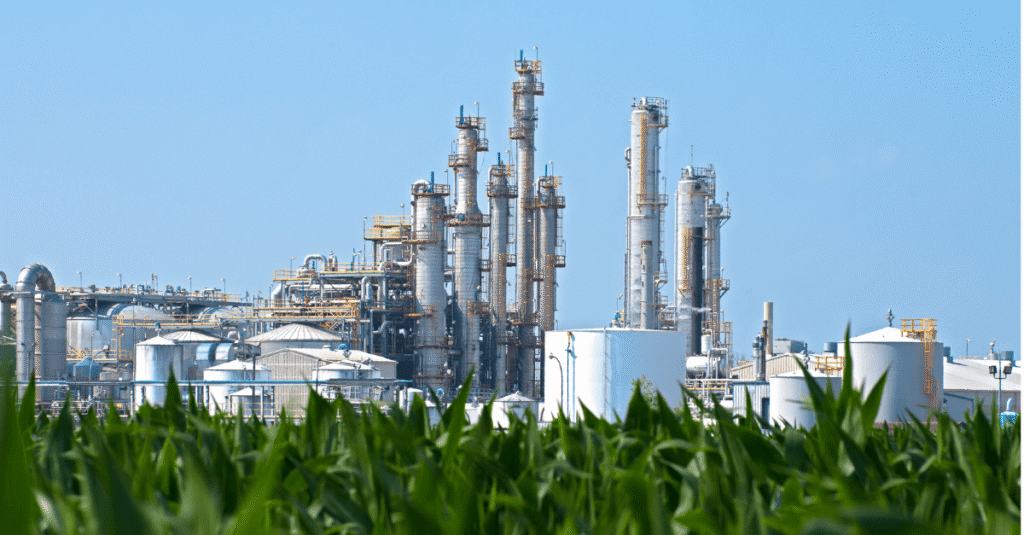
Choosing the right partner for bioenergy consulting for large scale projects is not a branding exercise. It’s a technical and financial decision that directly affects whether a project reaches financial close and performs as expected once operational.
At commercial scale, assumptions get tested quickly. Feedstock variability, process design gaps, or unrealistic cost models don’t stay theoretical for long. The role of a strong consultancy is to identify those issues early, pressure-test them, and help align the project with real-world conditions before capital is committed.
For developers evaluating potential partners, reviewing bioeconomy case studies can provide useful insight into how consulting teams approach real-world project challenges.
Technical Depth That Goes Beyond the Slide Deck
Large bioenergy projects involve real engineering complexity. Gasification, pyrolysis, anaerobic digestion, fermentation, and hydrothermal processing each introduce unique design and scale-up challenges.
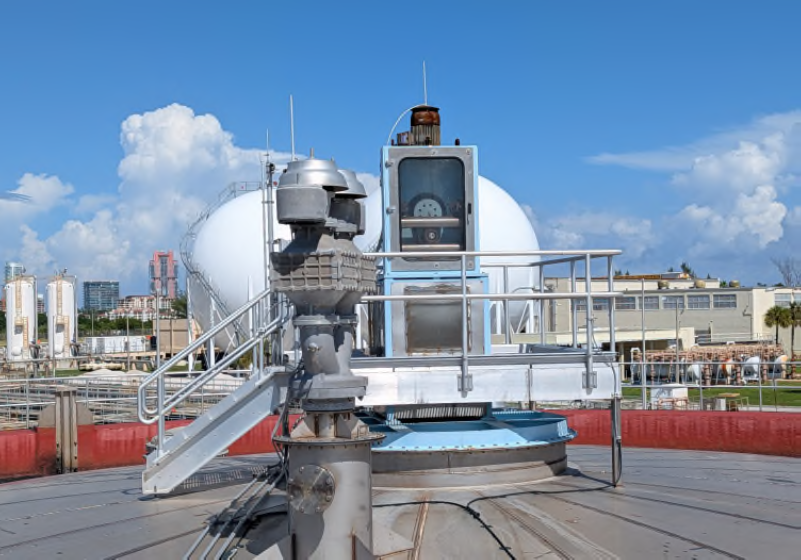
Strong bioenergy consultancy teams bring engineers with operating experience, process specialists who understand scale-up risks, and the ability to validate mass and energy balances early. Developers should be cautious of teams that rely heavily on templates or generalized assumptions.
For example, evaluating anaerobic digestion systems requires a detailed understanding of mixing performance, mass transfer, and operational stability. These are not theoretical considerations, but issues that directly affect plant performance. Explore how LEC Partners supports anaerobic digestion projects.
Feedstock Knowledge That Reflects Reality
Feedstock variability remains one of the most common sources of project underperformance. Moisture content, contamination, and supply reliability can shift significantly over time.
For projects using agricultural residues, forestry byproducts, or municipal solid waste, these risks are operational. A strong consulting partner evaluates not just theoretical specifications, but how feedstock behaves in real-world conditions.
Understanding the challenges associated with municipal solid waste is particularly important for waste-to-energy projects, where composition variability and supply logistics can introduce significant risk. Learn more about MSW considerations.
Financial Fluency, Not Just Technical Reports
Technical analysis alone does not move projects forward. Investors and lenders require confidence in both the process and the economics.
This is where biofuels consulting must integrate bankable feasibility studies, techno-economic modeling, capital cost validation using real vendor data, and due diligence support.
Projects that align technical design with financial expectations tend to move through funding more efficiently. The difference often comes down to whether the consulting team can translate process data into a defensible investment case.
Regulatory and Permitting Experience
Bioenergy projects operate within complex regulatory frameworks that can affect both timelines and economics. Environmental permitting, air quality compliance, renewable fuel standards, and lifecycle carbon accounting all play a role.
A consultancy with experience navigating these requirements helps avoid delays and ensures alignment with incentive programs. Regulatory missteps can introduce significant risk, particularly for first-of-a-kind or large-scale facilities.
A Consulting Network That Can Scale
Large scale bioeconomy projects require expertise across multiple disciplines, from process engineering to feedstock logistics and market analysis.
Very few firms maintain all capabilities in-house. What matters is access to a coordinated network of experienced specialists who can be deployed as needed throughout the project lifecycle.
This becomes particularly important for technologies such as pyrolysis and gasification, where both technical design and market integration must be aligned. Explore how these technologies are evolving.
The Relationship Matters
These projects unfold over several years. The working relationship with your consulting partner becomes a critical factor in overall success.
Strong partnerships are characterized by clear communication, responsiveness, and a willingness to challenge assumptions when necessary. A collaborative approach often leads to better project outcomes.
Developers working through complex project development challenges benefit from advisors who remain engaged beyond initial deliverables and adapt as project conditions evolve. Read more about the challenges of managing complex waste systems.
LEC Partners Experience
LEC Partners supports investors, developers, and operators across the bioeconomy, from early feasibility through execution and operations. The team focuses on identifying risk early and supporting decisions that hold up through financing and implementation.
Questions We Often Get About Bioeconomy Consulting for Complex Projects
How do you validate whether a technology will perform at scale?
Performance claims are evaluated through data review, engineering analysis, and on-site validation. That includes operating history, feedstock variability, and integration with downstream systems.
What typically causes bioeconomy projects to stall?
Most problems start where feasibility assumptions meet operating reality. Feedstock variability, process integration challenges, and underestimated scale-up risk are common issues.
When should technical due diligence begin?
As early as possible. Addressing technical and commercial uncertainty before major capital decisions usually leads to better outcomes and fewer surprises later.
How do you support investors during transactions?
LEC Partners provides independent technical and commercial diligence to help investors assess risk, validate assumptions, and understand operational realities before committing capital.
Further Reading
Case Studies
Explore real bioeconomy projects across fuels, materials, and industrial biotechnology.
Client Testimonials
See how investors and operators work with LEC Partners across complex projects.
Publications
Read technical insights and industry perspectives from the LEC team.
Speak with an Expert
LEC Partners supports investors, developers, and operators across the bioeconomy, from early feasibility through execution and operations.
If you are evaluating a project, early alignment can reduce risk and improve development timelines.
Written by the LEC Editorial Team
Reviewed by Jason White, CEO, LEC Partners


Have some questions?
Not sure where to start?
Let's start a conversation. We're here to help you navigate
the bioeconomy with confidence.