Waste-to-Energy Project Development: Key Risks and Decision Points
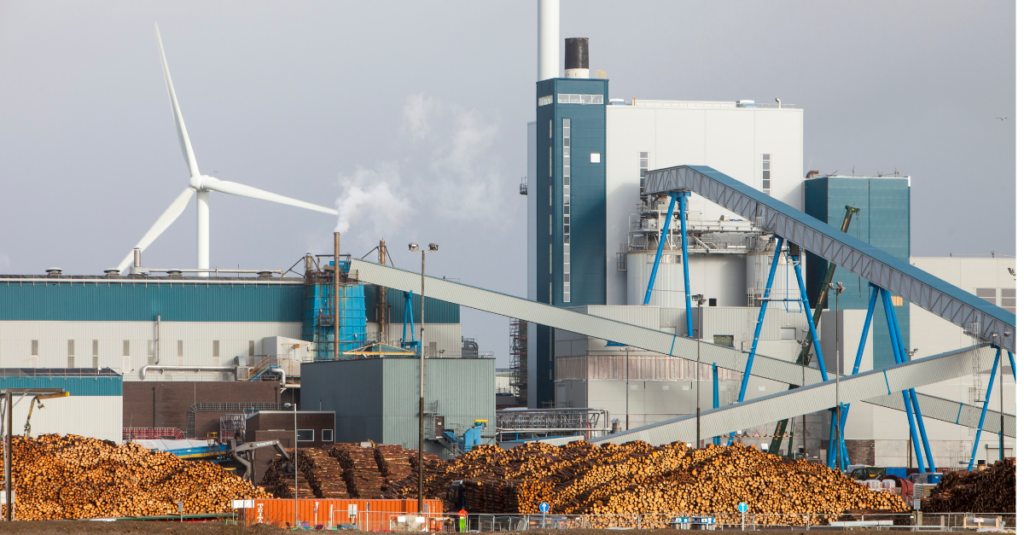
Waste-to-energy project development is rarely limited by technology alone. In most cases, the outcome is determined by how well early decisions align feedstock, process design, and market conditions.
Many projects begin with a strong concept and a viable technology pathway. However, as development progresses, gaps in assumptions, integration, or execution begin to surface. These gaps are often not visible in early-stage models, but they become critical as projects move toward financing and construction.
Understanding where these risks originate, and how to manage them, is essential for developers, investors, and stakeholders involved in waste-to-energy systems.
Where Projects Typically Go Off Track
Feedstock Assumptions
Feedstock is the foundation of any waste-to-energy project. Variability in composition, contamination levels, and long-term supply agreements can significantly impact performance.
Projects often assume consistent feedstock quality based on limited sampling. In practice, seasonal variation, collection methods, and upstream sorting all introduce variability that affects conversion efficiency and operating costs.
Technology Selection and Scale
Choosing a technology is not just about conversion efficiency. It is about how that technology performs with a specific feedstock at a defined scale.
Technologies that perform well at pilot scale do not always translate directly to commercial operation. Scale introduces challenges in heat transfer, mixing, gas handling, and system integration that can change expected outcomes.
Underestimating Processing and Separation Costs
Downstream processing is often underestimated in early project models. Whether it is gas cleaning, liquid separation, or product upgrading, these steps can represent a significant portion of both capital and operating costs.
Failure to account for these costs early can lead to unrealistic financial projections and challenges during project financing.
Key Decision Points in Development
When to Lock in Technology
Locking in a technology too early can limit flexibility. Waiting too long can delay development timelines. The decision should be based on validated data, not just theoretical performance.
When to Engage Engineering Expertise
Process engineering should not be treated as a late-stage activity. Bringing in expertise early allows for better alignment between design assumptions and real-world operating conditions.
When to Validate Economics
Techno-economic analysis should be iterative. Early models provide direction, but they must be updated as new data becomes available. Static assumptions can quickly become outdated as projects evolve.
Connecting Technology to Real Outcomes
Waste-to-energy systems are often evaluated based on the technology itself. In practice, success depends on how that technology is integrated into a broader system.
This includes feedstock logistics, regulatory frameworks, offtake agreements, and financing structures. Each of these elements introduces constraints that must be considered alongside technical performance.
For a broader perspective on how different technologies fit into the circular bioeconomy, see our analysis of waste-to-energy in the circular bioeconomy.
The Role of Independent Analysis
Independent technical and commercial analysis provides a way to challenge assumptions before they become embedded in project plans.
This includes reviewing feedstock data, validating process design, and stress-testing economic models under different scenarios.
At LEC Partners, this type of analysis is often the difference between a project that proceeds with confidence and one that requires significant redesign.
What Separates Successful Projects
Successful waste-to-energy projects are not defined by a single decision. They are the result of consistent alignment across technical, economic, and operational factors.
Projects that take a disciplined approach to development, validate assumptions early, and remain flexible as new information emerges are better positioned to reach commercial operation.
Questions We Often Hear from Clients About Waste-to-Energy Development
What is the most common early-stage mistake?
Overconfidence in initial assumptions, particularly around feedstock and process performance, is one of the most common issues.
How detailed should early analysis be?
It should be detailed enough to identify major risks and constraints, but flexible enough to evolve as more data becomes available.
When is a project ready for financing?
Projects are typically ready when technical assumptions have been validated, costs are well-defined, and key risks have been addressed.
Speak with an Expert
Waste-to-energy project development involves a series of decisions that can significantly impact long-term performance. Addressing these decisions early can reduce risk and improve outcomes.
If you are developing or evaluating a project, we can help assess the technical and commercial fundamentals with a practical, experience-driven perspective.
Further Reading
Insights from LEC Partners
Trusted Industry Resources
Written by the LEC Editorial Team

Have some questions?
Not sure where to start?
Let's start a conversation. We're here to help you navigate
the bioeconomy with confidence.