Waste-to-Energy in the Circular Bioeconomy: Beyond Power Generation
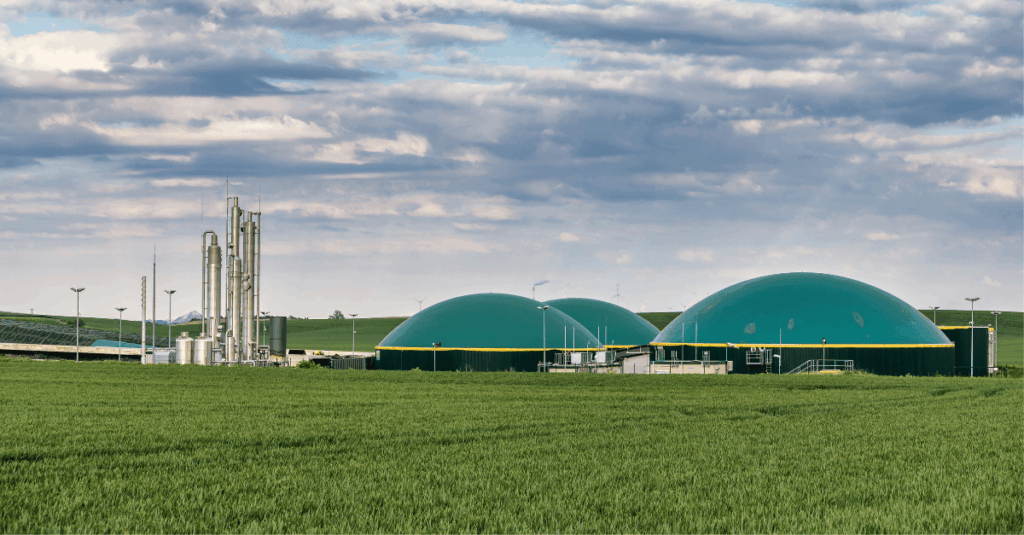
Waste-to-energy in the circular bioeconomy is no longer just about managing disposal. For municipalities and developers, it has become a resource strategy.
Waste-to-energy technologies have existed for decades, but the conversation has shifted. The old question of “burn it and make electricity” is being replaced with a more specific one: how to convert waste streams into energy, fuels, and valuable co-products.
This shift changes how projects are evaluated. It affects which technologies are viable, how partnerships are structured, and what success actually looks like.
Waste-to-energy in the circular bioeconomy is no longer limited to disposal or power generation. It focuses on converting waste streams into energy, fuels, and usable products while recovering as much value as possible. In practice, the success of these systems depends on how well feedstock, technology, and market demand are aligned at scale.
In This Article
The Circular Bioeconomy Shifts the Focus
The circular bioeconomy treats organic materials as resources that are produced, used, recovered, and reused rather than disposed of in a linear system. Waste-to-energy only fits within that model when it prioritizes resource recovery, not just energy generation.
For municipalities and project developers, this changes the business case. It is no longer limited to avoided landfill costs and electricity sales. It now includes carbon intensity, recovery rates, product quality, regulatory alignment, and feedstock reliability.
This makes projects more complex. It also makes them more defensible, especially as carbon accounting and regulatory pressures continue to evolve.
Technologies Worth Watching
Advanced Anaerobic Digestion
Anaerobic digestion is well established, but current systems are far more sophisticated than earlier designs. High-solids digesters, two-stage systems, and co-digestion approaches are increasing biogas yields while producing digestate that can be used as a nutrient source.
For cities facing organic waste diversion requirements, this is a near-term solution. Existing collection systems can often be leveraged, and the biogas can be upgraded to renewable natural gas or used for combined heat and power.
The limitation remains feedstock quality. Contamination from non-organic materials continues to impact performance, even with improved sorting systems.
Operational performance is just as important as feedstock quality. In one case, LEC Partners conducted an anaerobic digester mixing performance investigation to diagnose underperformance issues tied to inadequate mixing and solids distribution.
Mixing is often overlooked in early project design, but it can have a direct impact on gas yield and process stability. As explored in what happens when mixing fails, poor mixing can lead to dead zones, reduced microbial activity, and lower overall system efficiency.
Pyrolysis and Biochar
Pyrolysis produces a mix of bio-oil, syngas, and biochar. The inclusion of biochar introduces a unique value proposition, particularly for applications focused on soil improvement and carbon sequestration.
This is increasingly relevant for urban and regional climate strategies that require measurable carbon outcomes.
At the same time, pyrolysis is still developing at commercial scale in many municipal applications. Feedstock variability and product consistency remain key considerations.
Project viability often depends on aligning feedstock characteristics, system design, and end-product markets early in development. In one case, LEC Partners supported a pre-feasibility study for a pyrolysis installation to evaluate how these variables influenced technical feasibility and project economics.
These early-stage assessments are critical. Pilot performance does not always translate directly to commercial operation, and small differences in feedstock or system configuration can significantly impact output quality and financial returns.
The Role of Integration and Expertise
The gap between a technology and a successful project is rarely technical feasibility alone. It is the integration of feedstock, technology, regulatory requirements, offtake markets, and financing.
Independent expertise can help identify risks early. These include mismatched plant sizing, underestimated processing costs, and regulatory misalignment.
For municipalities and developers, addressing these issues early is significantly more cost-effective than correcting them after construction.
At LEC Partners, experience across biogas, gasification, and pyrolysis projects shows a consistent pattern. Projects perform best when technical, market, and regulatory considerations are addressed together from the outset.
The Practical Path Forward
The future of waste-to-energy is not about selecting a single winning technology. It is about designing systems that align with circular economy principles and local conditions.
This requires realistic feedstock assessments, an understanding of conversion pathways, and the flexibility to adapt to evolving markets and policies.
The technologies are advancing. Policy frameworks are becoming clearer. The remaining challenge is disciplined project development.
Questions We Often Hear from Clients About Waste-to-Energy Projects
How do you determine which technology is the right fit?
The right technology depends on feedstock composition, scale, regulatory environment, and end-product markets. There is no universal solution, only context-specific ones.
What causes waste-to-energy projects to underperform?
Common issues include inconsistent feedstock supply, underestimated operating costs, and poor alignment between technology design and market demand.
When should technical and commercial analysis begin?
Ideally at the earliest stages of project development. Early analysis helps prevent costly redesigns and improves long-term project viability.
Speak with an Expert
Many of these questions arise early in project development, often before key decisions are finalized. Addressing them at the right time can significantly improve project outcomes.
If you are evaluating waste-to-energy strategies or circular bioeconomy opportunities, we can help assess the technical and commercial considerations with a practical perspective.
Further Reading
Insights from LEC Partners
Trusted Industry Resources
Written by the LEC Editorial Team

Have some questions?
Not sure where to start?
Let's start a conversation. We're here to help you navigate
the bioeconomy with confidence.