USDA Specialty Crop Research Initiative Pre-Applications (SCRI): FY 2026 Funding Overview
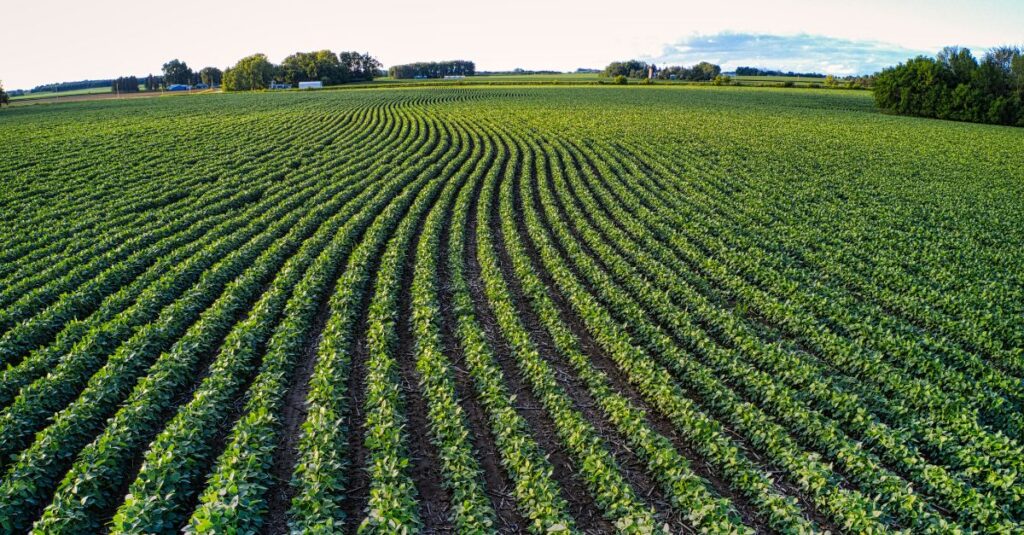
The USDA SCRI Pre-Applications process for FY 2026 gives eligible applicants an early opportunity to compete for funding under the USDA Specialty Crop Research Initiative. Administered by USDA’s National Institute of Food and Agriculture (NIFA), this program supports integrated research and extension projects that address critical issues affecting U.S. specialty crops, including fruits, vegetables, tree nuts, dried fruits, and horticultural crops.
Program Details
Program Name: Specialty Crop Research Initiative (SCRI)
Funding Opportunity Number: USDA-NIFA-SCRI-011676
Agency: USDA National Institute of Food and Agriculture (NIFA)
Expected Total Funding: $175 million
Application Structure: Two-stage process with required pre-application
Pre-Application Deadline: June 15, 2026
Cost Share Requirement: Dollar-for-dollar matching contribution
USDA SCRI Pre-Applications Program Overview
The USDA SCRI Pre-Applications opportunity is intended to help address priority challenges facing the specialty crop sector through systems-based, transdisciplinary projects. NIFA states that the program is designed to support research and extension activities that respond to issues of national, regional, or multi-state importance.
Except for planning projects, SCRI requires applicants to integrate research and extension rather than proposing stand-alone technical work. The program is also intended to promote collaboration, open communication, exchange of information, and resource development that can accelerate the application of scientific discovery and technology in specialty crop industries.
For some specialty crops produced in a limited number of states, USDA recognizes that the multi-state character of a project may be more difficult to demonstrate. Even so, applicants are encouraged to propose a clear systems approach tied to industry needs and stakeholder relevance.
Supported Activities Under USDA SCRI Pre-Applications
The USDA SCRI Pre-Applications notice identifies four project types:
- Coordinated Agricultural Projects (CAP): Large, integrated efforts addressing complex specialty crop issues.
- Standard Research and Extension Projects (SREP): Projects combining research and extension around targeted industry needs.
- Workforce Readiness and Talent Pipeline Projects (WRTPP): Efforts focused on workforce development and talent pipeline needs.
- Research and Extension Planning Projects (REPP): One-year planning projects intended to support future integrated efforts.
Projects should focus on scientific research and extension activities. The notice states that the intent of the program is not to fund start-up businesses, and applicants should not propose technical assistance, demonstration projects, classified research, financial assistance to start or expand a company, or patent-related activities.
SCRI Cost Share Requirements
The USDA SCRI Pre-Applications opportunity requires applicants to provide matching contributions on a dollar-for-dollar basis for all federal funds awarded under the program. This cost share requirement is a central planning issue for applicants and partners, particularly for large multi-year projects.
Because matching strategy can materially affect project structure, applicants typically need to confirm the source, timing, and allowability of non-federal contributions early in concept development.
Eligible Applicants for USDA SCRI Pre-Applications
Eligible applicants include:
- Federal agencies
- National laboratories
- Colleges and universities
- Research institutions and organizations
- Private organizations or corporations
- State Agricultural Experiment Stations
- Individuals
- Groups consisting of two or more eligible entities
Although a small business may apply, USDA makes clear that the program is not intended to support start-up activity or business expansion. For that reason, applicant eligibility should be evaluated alongside the proposed scope of work, stakeholder relevance, and research-extension integration.
USDA SCRI Pre-Applications Funding Levels
Individual award amounts vary by project type:
- CAP: Normally not more than $2,000,000 per year for up to five years
- SREP: Normally not more than $1,000,000 per year for up to five years
- WRTPP: $1,000,000 to $5,000,000 for a project period of up to five years
- REPP: Up to $100,000 for a one-year project period
Given the variation in project size and duration, applicants should align project ambition, partnership structure, and cost share planning with the most appropriate SCRI project category.
USDA SCRI Pre-Applications Timing and Process
In FY 2026, applicants will compete for SCRI funding through a two-stage process. The first step is submission of a required pre-application, which must include a Stakeholder Relevance Statement.
Pre-Application Due Date: June 15, 2026
Because the pre-application is the gateway to the full competition, applicants should treat this stage as more than an administrative screen. The pre-application should show a well-defined problem statement, credible stakeholder alignment, and a realistic basis for integration across research and extension components.
Official .gov Link
USDA National Institute of Food and Agriculture
How LEC Partners Supports Evaluation and Feasibility
For organizations considering USDA SCRI Pre-Applications, early evaluation often centers on program fit, stakeholder relevance, partnership structure, matching strategy, and implementation feasibility. LEC Partners supports clients by helping assess whether a concept aligns with the requirements of a specific federal funding opportunity and whether the proposed scope is practical within the available timeline, budget, and delivery structure.
This work may include project framing, technical evaluation, feedstock or supply chain considerations, commercialization context, and implementation planning where relevant. The role is advisory and analytical, focused on improving readiness and decision quality rather than making claims about award outcomes.
Questions We Commonly Address
- Does the project concept fit CAP, SREP, WRTPP, or REPP most effectively?
- How should stakeholder relevance be demonstrated in the pre-application?
- What does a credible research-and-extension integration model look like?
- How should applicants think about the dollar-for-dollar match requirement?
- When does a multi-state or national framing strengthen competitiveness?
Further Reading




Have some questions?
Not sure where to start?
Let's start a conversation. We're here to help you navigate
the bioeconomy with confidence.