Is 2026 the Year of Solid Oxide?
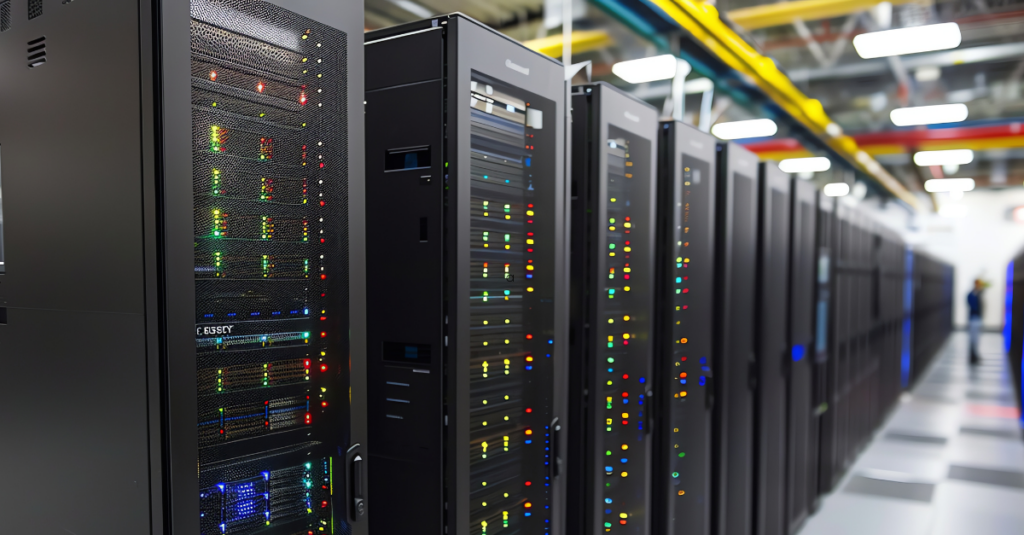
As we approach the Lunar New Year and get ready to celebrate the Year of the Horse, could it also be the Year of Solid Oxide Fuel Cells (SOFC)? As the expansion of data centers continues to drive demand for independent power solutions, SOFC are poised to play a major role.
Why SOFC?
Solid oxide fuel cells offer a host of advantages for data center operators. SOFCs can convert natural gas to electricity, with efficiencies of 50-60%, which exceeds the efficiency of simple-cycle gas turbines and diesel generators (typically 30-low 40% electrical efficiency). The SOFC system efficiency can climb to over 90% when waste heat is captured and used, something data centers produce abundantly. SOFCs are also fuel-flexible and can run on hydrogen, ammonia, or biogas, lowering the carbon footprint as these fuels become cheaper and more widely available. Finally, employing SOFCs allows for quick, behind-the-meter deployment, avoiding delays from interconnections and overburdened grids.
Who is Using SOFC Today?
Bloom Energy made big news last Fall by announcing a multibillion-dollar AI infrastructure partnership with Brookfield. Under the terms of the deal, Brookfield will invest up to $5 Billion to deploy Bloom’s solid oxide fuel cell technology. In Europe, Elcogen is now operating its 360 MW manufacturing facility and is actively seeking data center partnerships. Ceres Power Solutions has announced partnerships with Asian technology providers Doosan and Delta Electronics to develop mega-watt scale deployment capabilities. 2026 could be a big year for these firms and other SOFC OEMs.
The Takeaway
In short, solid oxide fuel cells are moving from promising concept to practical backbone for the next wave of AI and cloud infrastructure. With higher efficiency, fuel flexibility, and rapid, behind-the-meter deployment, SOFCs give operators a way to add resilient power capacity without waiting on congested grids. As leading players scale manufacturing and sign larger data center deals, 2026 may well be remembered as the year solid oxide moved to the center of the data center power conversation.
By Pete Rocha, Low Carbon Hydrogen Center Lead
Questions We Often Get About SOFC for Data Centers
Why are data center operators looking at solid oxide fuel cells now?
Many operators are seeking reliable capacity that can be deployed behind the meter, without waiting on constrained grid interconnections, while improving efficiency compared with conventional backup generation.
What are the main technical questions to answer early?
Typical early questions include system sizing, fuel supply strategy, heat recovery opportunities, siting constraints, integration with existing electrical infrastructure, and operating profile expectations.
How does fuel flexibility factor into a deployment decision?
Fuel flexibility can matter when operators want a pathway to lower-carbon fuels over time, but practical evaluation should focus on near-term fuel availability, economics, and operational requirements first.
Where do SOFC projects tend to run into delays or scope creep?
Common friction points include permitting and siting, electrical integration complexity, heat utilization assumptions, and unclear responsibility boundaries between equipment providers and site engineering teams.
When should a team bring in an independent reviewer?
Early involvement is usually most helpful—before major procurement decisions—so assumptions can be stress-tested and integration risks addressed while changes are still low-cost.
Further Reading
LEC Insights
LEC Insight
Low-Carbon Hydrogen Center of Excellence
How LEC Partners supports hydrogen project development and commercialization with practical, risk-focused technical and market expertise.
LEC Case Example
Economic Analysis of Green Hydrogen Production
A real-world example of how project economics, assumptions, and market factors shape investment-quality decisions.
LEC Signals
Signals Shaping the Bioeconomy in 2026
LEC’s view of the technology, policy, and investment signals shaping deployment and commercialization priorities.
Other Trusted Industry Sources
U.S. DOE
Fuel Cells (U.S. Department of Energy)
DOE’s overview of fuel cell technology, applications, and why fuel cells can deliver efficient electricity and useful heat.
IEA
Data Centres & Data Transmission Networks (IEA)
International Energy Agency tracking of data center electricity demand, efficiency trends, and the role of digital infrastructure.

Have some questions?
Not sure where to start?
Let's start a conversation. We're here to help you navigate
the bioeconomy with confidence.