NSF National Quantum and Nanotechnology Infrastructure (NQNI) Program – FY 2026 Funding Overview
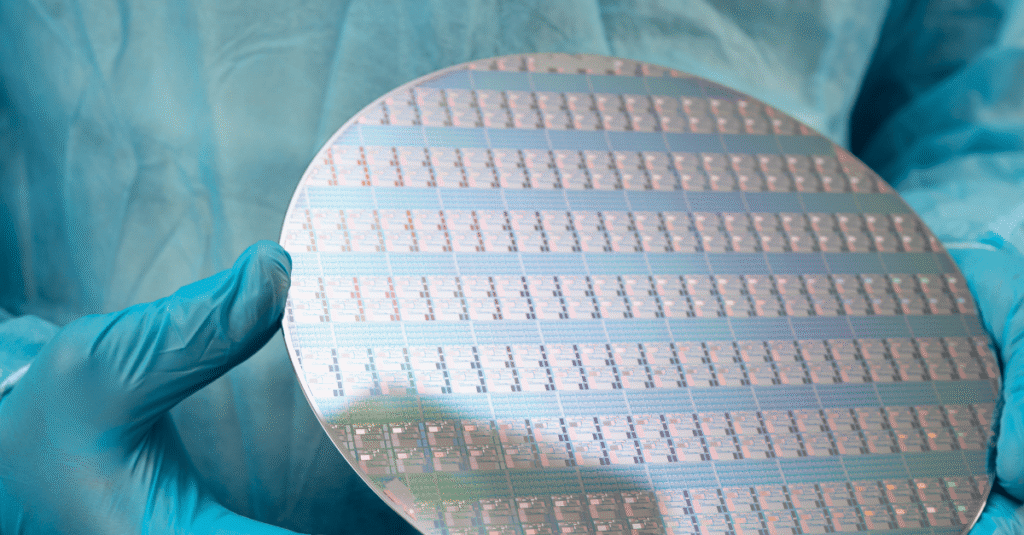
NSF National Quantum and Nanotechnology Infrastructure (NQNI)
Funding Opportunity Number: NSF 26-505
Funding Agency: U.S. National Science Foundation (NSF)
Total Funding Available: $60M–$100M anticipated (FY 2026–2030)
Key Deadlines: Letter of Intent – March 16, 2026 | Full Proposal – May 14, 2026
Program Overview
The NSF National Quantum and Nanotechnology Infrastructure (NQNI) program will establish the next generation of national research infrastructure supporting quantum information science, nanotechnology, and related advanced technologies.
The initiative builds on decades of NSF investment in nanotechnology research facilities that have enabled major scientific discoveries and broad access to advanced instrumentation. The new NQNI program expands that model to support emerging capabilities in quantum information engineering, advanced semiconductors, artificial intelligence hardware, biotechnology, and advanced manufacturing.
Through this program, NSF will establish an open-access national network of research infrastructure designed to enable researchers, students, and industry partners to access leading-edge fabrication, characterization, and nanotechnology tools.
Program Structure
The NQNI solicitation supports the establishment of a network of university-based user facilities. Selected institutions will host advanced nanoscale research capabilities that will be made available to external users through an open-access model.
Facilities are expected to provide:
- Advanced nanoscale fabrication and characterization tools
- Technical expertise supporting quantum and nanotechnology research
- Open access to researchers from academia, government, and industry
- Education and workforce development programs
- Training opportunities for students and early-career researchers
These facilities will play a critical role in accelerating innovation across multiple strategic technology areas.
Technology Areas Supported
NQNI infrastructure is expected to support research and development across a wide range of emerging technology domains, including:
- Quantum information science and engineering (QISE)
- Nanoscience and nanoengineering
- Advanced semiconductor technologies
- Artificial intelligence hardware
- Biotechnology and advanced materials
- Advanced manufacturing systems
Facilities will be evaluated based on their instrumentation capabilities, technical expertise, and ability to serve a broad national user community.
Cost Sharing Requirements
The inclusion of voluntarily committed cost sharing is prohibited for this funding opportunity.
Eligible Applicants
Eligible applicants include:
- Institutions of Higher Education
- Non-profit, non-academic organizations
- Tribal Nations
- For-profit organizations
- State and local governments
- Foreign organizations
Funding Details
- Total Program Funding: $60M–$100M anticipated
- Annual Program Funding: $12M–$20M per year (FY 2026–2030)
- Individual Site Awards: $500,000–$2,000,000 per year
- Award Duration: Up to 5 years
How LEC Partners Supports NSF Infrastructure Proposals
Large-scale research infrastructure proposals often require alignment across technical capabilities, facility operations, user access models, and long-term sustainability planning. LEC Partners supports universities, research institutions, and technology consortia preparing complex federal funding submissions.
- Strategic positioning of infrastructure capabilities
- Evaluation of instrumentation and facility capabilities
- Technical narrative development and proposal review
- Research commercialization and industry engagement strategy
- Risk and implementation planning for large research programs
Our multidisciplinary network of experts supports complex research initiatives spanning advanced materials, biotechnology, hydrogen systems, biomanufacturing, and emerging technologies.
Questions We Often Get About NSF Infrastructure Programs
What makes a strong infrastructure proposal?
Successful proposals clearly demonstrate national demand for the facility, strong technical capabilities, and a credible plan for user access, training, and long-term sustainability.
Who can use NQNI facilities?
Facilities are designed as open-access infrastructure supporting researchers from universities, government laboratories, and industry.
How important is workforce development?
Education, training, and workforce development are key evaluation criteria, as the program is designed to build long-term national capability in quantum and nanotechnology.
Can industry collaborate with facility sites?
Yes. Industry partnerships and external user access are core components of the NQNI infrastructure model.
Further Reading
LEC Insights
Current Federal Funding Opportunities
A regularly updated overview of active federal programs supporting technology development and commercialization.
Funding and Due Diligence
Independent technical and market diligence supporting investment decisions and project financing.
Technical Feasibility in Renewable Projects
Understanding how technical feasibility assessments reduce development and investment risk.
Other Trusted Industry Sources
NSF Funding Opportunities
Official listing of National Science Foundation funding programs and proposal guidance.
Grants.gov Federal Funding Portal
The central platform for federal funding announcements and application submission.



Have some questions?
Not sure where to start?
Let's start a conversation. We're here to help you navigate
the bioeconomy with confidence.