Waste-to-Energy Conversion: Technologies and Applications
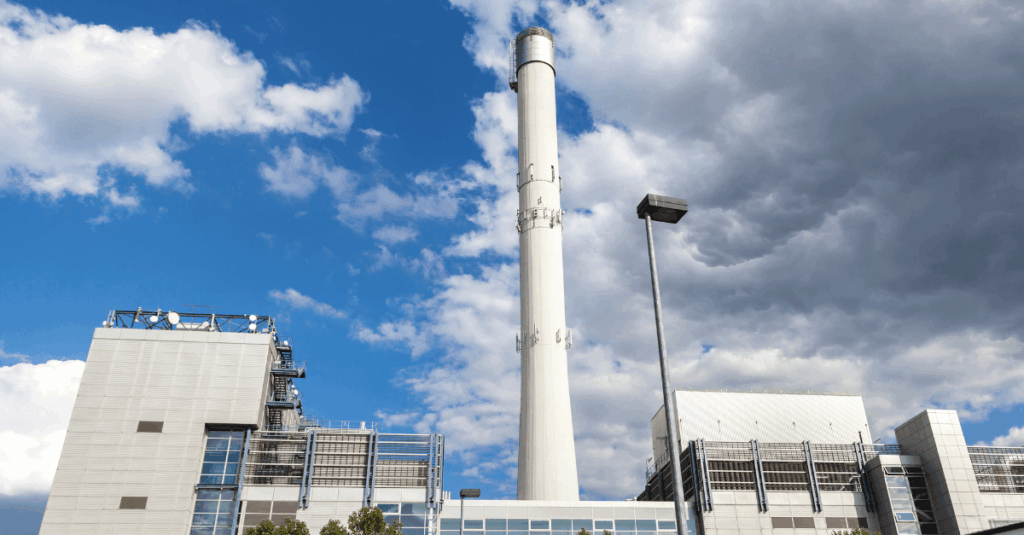
Updated April 2026 to reflect current technologies, industry trends, and project development considerations.
Waste-to-energy conversion is no longer just a way to manage disposal. For municipalities, developers, and industrial operators, it has become a broader resource recovery strategy.
Waste-to-energy technologies have been around for decades, but the conversation has changed. The old question of how to burn waste and make electricity has given way to a more useful one: how can waste streams be converted into energy, fuels, and other valuable products in ways that fit real feedstocks, regulations, and markets.
That shift matters. It changes how projects are evaluated, which technologies make sense, and how success should be measured.
Today, the strongest projects are not defined by technology alone. They succeed because feedstock, process design, offtake strategy, and policy fit are aligned from the start. For a broader look at how these systems fit into modern resource recovery strategies, see our perspective on why changing waste management systems is so difficult.
What Is Waste-to-Energy Conversion?
Waste-to-energy conversion refers to processes that transform waste materials into usable energy, fuels, or other marketable products. Depending on the technology and feedstock, those outputs may include electricity, heat, renewable natural gas, syngas, bio-oil, or solid co-products such as biochar.
In practice, waste-to-energy systems are increasingly judged on more than diversion from landfill. Developers and municipalities now look closely at carbon intensity, product value, recovery rates, emissions performance, and long-term operating stability.
That is part of a larger shift toward systems that recover value from waste rather than simply moving it from one disposal pathway to another.
Key Waste-to-Energy Technologies
Anaerobic Digestion
Anaerobic digestion breaks down organic waste in the absence of oxygen and produces biogas, which can be used for heat, electricity, or upgraded to renewable natural gas. Typical feedstocks include food waste, agricultural residues, wastewater solids, and other organic by-products.
This remains one of the most commercially mature waste-to-energy pathways, especially where organic waste diversion rules are tightening. Co-digestion and higher-solids systems continue to improve performance, but results still depend heavily on feedstock quality, mixing, retention time, and system design.
That is why operational details matter. Mixing failures, solids buildup, and inconsistent feedstocks can undermine performance even when the core technology is sound. For a closer look at how these systems perform in practice, visit our anaerobic digestion expertise page.
Incineration and Municipal Solid Waste Combustion
Incineration, including municipal solid waste combustion, is one of the longest-established waste-to-energy approaches. These systems burn waste at high temperatures to generate heat, which is then converted into electricity or used directly in thermal applications.
In dense urban environments, this technology still plays a role because it reduces waste volume and can provide reliable energy output. However, projects are now evaluated much more carefully in the context of emissions controls, public acceptance, feedstock composition, and long-term policy direction.
That matters most in municipal systems, where the waste stream itself can vary widely by region and collection method. If you want a clearer picture of the feedstock side of this equation, our page on municipal solid waste provides helpful context.
Gasification
Gasification converts carbon-based materials into gas through high-temperature processing with limited oxygen. That gas can then be used for power generation, fuel production, or as a chemical intermediate, depending on how the system is designed and how thoroughly the gas is cleaned.
Compared with direct combustion, gasification can offer more flexibility in end use. It can also handle feedstocks that are challenging in biological systems. However, it introduces greater complexity in gas cleanup, process control, and overall integration.
That complexity is exactly why early engineering judgment matters. Projects that underestimate tar management, gas cleaning, or feedstock preparation often run into trouble during commissioning or scale-up.
Pyrolysis
Pyrolysis decomposes materials in the absence of oxygen to produce a mix of gases, liquids, and solid residues. Depending on the feedstock and configuration, those outputs may include bio-oil, fuel gas, waxes, char, or biochar.
This pathway continues to attract attention for plastics, biomass residues, and other challenging waste streams. It can open routes to fuels, chemicals, and carbon products that are not available through more conventional waste handling systems.
At the same time, pyrolysis remains highly sensitive to feedstock consistency, reactor design, and downstream product handling. Small changes in moisture, contamination, or temperature profile can have an outsized effect on product quality and economics.
For that reason, pyrolysis and gasification projects both benefit from early technical and market analysis. We explore those issues in more depth in our piece on technological innovations in biofuel production through pyrolysis and gasification.
Why Waste-to-Energy Still Matters
Waste-to-energy remains important because it addresses more than one problem at a time. It can reduce landfill dependence, recover energy from underused materials, and support broader sustainability goals when designed well.
Still, the value of a project no longer rests on energy production alone. Today, successful systems are often evaluated on how well they recover useful products, lower emissions, integrate with existing infrastructure, and adapt to changes in regulation and market demand.
That makes the business case more demanding than it used to be. It also makes it more credible.
What Matters More Today Than It Did in 2022
Several things have become clearer over the last few years. First, feedstock quality still drives outcomes. Second, scale-up is where many promising concepts run into real trouble. Third, policy alignment and end-product markets now shape viability just as much as the conversion technology itself.
Developers are under more pressure to show not just that a system works, but that it works reliably, economically, and within a realistic operating framework. Municipalities are asking tougher questions too, especially when public funding, permitting, and long-term waste planning are involved.
That means project development has become less about selecting a technology winner and more about building the right system around a specific local context.
Questions We Often Hear from Clients
These are some of the questions we hear most often from clients evaluating waste-to-energy systems.
Which waste-to-energy technology is best?
There is no universal answer. The right pathway depends on feedstock type, scale, permitting environment, capital intensity, and what the project needs to produce.
What causes waste-to-energy projects to underperform?
Common issues include inconsistent feedstock, weak integration between process steps, underestimated operating costs, and overly optimistic assumptions about product markets.
When should feasibility analysis begin?
As early as possible. Early technical and commercial analysis helps identify design constraints before they become expensive construction or financing problems.
Speak with an Expert
Waste-to-energy projects involve a series of technical and commercial decisions that shape long-term performance. Getting those decisions right early can reduce risk and improve outcomes.
If you are evaluating a waste-to-energy technology, reviewing feedstock options, or developing a project strategy, we can help assess the technical and commercial fundamentals with a practical perspective.
Further Reading
Insights from LEC Partners
- Anaerobic Digestion Expertise
- Municipal Solid Waste
- Pyrolysis and Gasification in Biofuel Production
- Managing Waste: Why It Is So Hard to Change the Way We Do It
Trusted Industry Resources
Written by the LEC Editorial Team

Have some questions?
Not sure where to start?
Let's start a conversation. We're here to help you navigate
the bioeconomy with confidence.