Technology Assessment for Processing Facilities
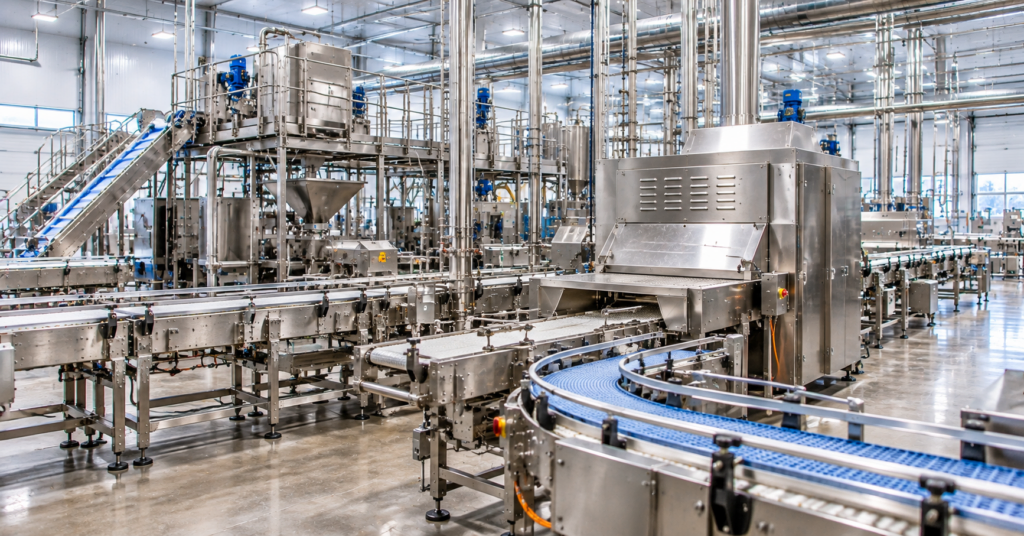
Technology assessment for processing facilities helps project developers and operators evaluate equipment performance, process integration, operating costs, and implementation risks before committing to major investments. For meat, poultry, and seafood processors considering USDA’s Strengthening Processing for U.S. Ranchers (SPUR) Loan Guarantee Program, this technical groundwork can strengthen project planning and financing discussions.
SPUR provides loan guarantees through commercial lenders for eligible processing investments. It is not a direct grant program. Learn more in our USDA SPUR Loan Guarantees funding overview.
What Is a Technology Assessment?
A technology assessment is a structured review of whether proposed equipment, processes, or systems are suitable for a facility’s operating requirements and commercial objectives.
It goes beyond reviewing a vendor’s equipment specifications. A useful assessment considers how the technology will perform within the complete operation, including its effects on production capacity, utilities, labor, maintenance, product quality, and operating costs.
The goal is to identify technical uncertainties before they become expensive construction or operating problems.
Why Technology Assessment Matters for USDA SPUR Projects
The USDA SPUR program supports eligible investments in processing capacity, infrastructure, equipment, facility modernization, and operational improvements.
For projects seeking significant financing, technical feasibility matters alongside commercial demand and repayment capacity.
A processing line may look attractive on paper but fail to deliver expected results if its capacity is mismatched with upstream equipment, refrigeration systems are undersized, or wastewater treatment requirements have been underestimated.
Technology assessment helps project sponsors test these assumptions before finalizing the investment plan.
Five Areas a Processing Facility Assessment Should Examine
1. Equipment Suitability and Performance
Review equipment specifications, demonstrated operating performance, throughput, reliability, maintenance requirements, and compatibility with the proposed products.
2. Process and Facility Integration
Evaluate how new equipment connects with existing production lines, utilities, material handling, sanitation procedures, and facility infrastructure. Integration issues can create bottlenecks and costly delays.
3. Capital and Operating Costs
Assess installed equipment costs, supporting infrastructure, energy consumption, labor requirements, maintenance, and expected operating expenses. These inputs are important to project economics and financing assumptions.
4. Food Safety and Operational Readiness
Consider the equipment and facility requirements associated with food safety, sanitation, worker safety, training, and consistent product specifications. Applicable HACCP and sanitation requirements should be addressed by qualified specialists.
5. Waste Management and Byproduct Opportunities
Assess wastewater, organic residuals, fats, oils, and other material streams generated by processing operations.
Where technically and commercially appropriate, opportunities may exist for improved resource recovery, rendering integration, anaerobic digestion, or other waste-to-value applications.
Such technologies should be evaluated on their own merits. Their inclusion in a larger processing project does not automatically establish eligibility for SPUR financing.
What Should a Technology Assessment Deliver?
A practical assessment should provide decision-makers with clear findings rather than simply describing the proposed equipment.
Depending on the project, useful deliverables may include:
- Review of proposed technology and equipment capabilities
- Assessment of throughput and operating assumptions
- Identification of process integration requirements
- Preliminary capital and operating cost considerations
- Evaluation of waste management and resource recovery options
- Technical risks and recommended mitigation measures
- Outstanding information needed before investment approval
These findings can help developers refine project scope, compare alternatives, and prepare more defensible technical assumptions for lenders and other stakeholders.
How LEC Partners Supports Technology Assessment
LEC Partners brings together more than 150 subject-matter experts across process technologies, engineering, project development, due diligence, bioenergy, and waste-to-value applications.
We help clients evaluate technical feasibility, identify implementation risks, and understand how proposed technologies fit into a broader commercial project.
For processing-related investments, our relevant capabilities include independent technology review, techno-economic analysis, process integration, engineering oversight, and byproduct valorization assessments.
Our funding and due diligence services and project development and operations support help clients connect technical findings with implementation planning.
Technology assessment does not guarantee USDA SPUR financing approval. Loan decisions remain subject to participating lenders, USDA requirements, and the financial characteristics of the proposed project.
Frequently Asked Questions
What is a technology assessment for a processing facility?
It is a structured evaluation of equipment, process performance, facility integration, operating requirements, and technical risks to determine whether a proposed investment is practical and suitable for its intended use.
Why is technology assessment important for USDA SPUR projects?
Technology assessment helps processors evaluate equipment performance, implementation costs, integration requirements, and operating risks before pursuing major facility investments that may be considered for SPUR financing.
Does USDA SPUR require a technology assessment?
The supplied SPUR funding summary does not establish a universal requirement for a standalone technology assessment. Applicants should review the official funding notice and participating lender requirements to determine what technical documentation is needed.
Can technology assessment include waste-to-value systems?
Yes. Assessments can examine wastewater treatment, byproduct recovery, anaerobic digestion, and other waste-to-value technologies where relevant to the facility. Eligibility for USDA SPUR financing must be determined separately.
How does LEC Partners help with processing facility technology assessments?
LEC Partners supports technical feasibility, technology review, process integration, due diligence, techno-economic analysis, and project development planning. LEC Partners does not originate SPUR loans or provide loan guarantees.
Talk With an Expert
LEC Partners brings together more than 150 bioeconomy specialists to help clients reduce risk and move projects forward with confidence. Whether you need technology assessment, due diligence, or support from planning through startup, we can help.
Further Reading
LEC Insights
USDA SPUR Loan Guarantees
Review the SPUR loan guarantee structure, eligible processing investments, and financing considerations.
Current Federal Funding Opportunities
Explore federal funding programs relevant to processing, infrastructure, and bioeconomy development.
Project Development & Operations
Learn about project planning, implementation, operational readiness, and risk management.
Other Trusted Industry Sources
USDA SPUR Funding Notice
Consult the official funding notice for program eligibility and application requirements.
USDA Rural Development
Access federal resources for business development, infrastructure, and financing programs.
USDA Food Safety and Inspection Service
Review federal food safety and inspection resources for meat and poultry processing operations.

Have some questions?
Not sure where to start?
Let's start a conversation. We're here to help you navigate
the bioeconomy with confidence.