USDA Value-Added Producer Grant (VAPG) Program – FY 2026 Funding Overview
USDA Value-Added Producer Grant (VAPG) Program – FY 2026
Funding Opportunity Number: RDBCP-VAPG-2026
Funding Agency: USDA Rural Business-Cooperative Service (USDA Rural Development)
Total Funding Available: Approximately $25,000,000
Application Deadline: April 15, 2026
Program Overview
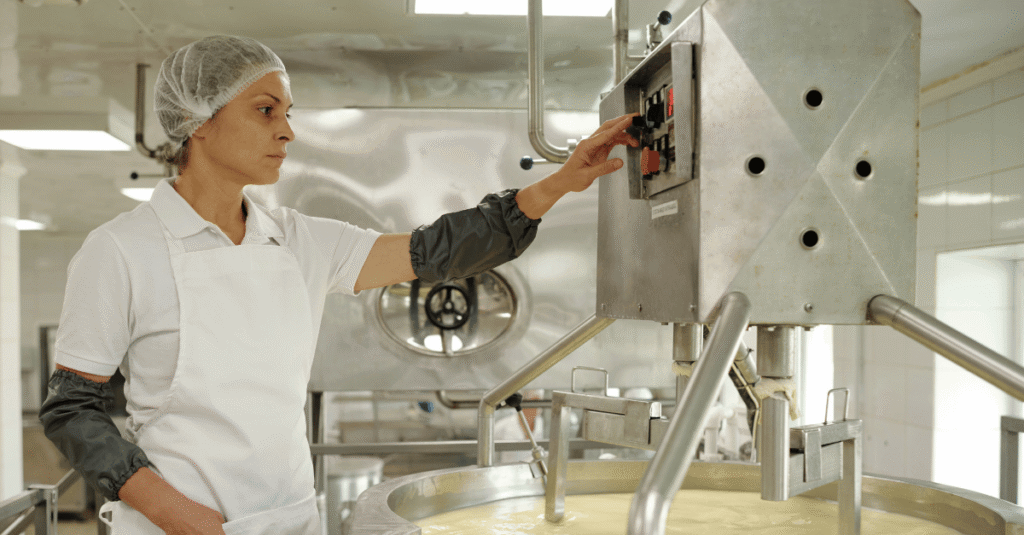
The USDA Value-Added Producer Grant (VAPG) program helps viable agricultural producers start or expand value-added activities tied to the processing and/or marketing of value-added agricultural products. The program is designed to support projects that generate new products from raw commodities, expand market opportunities, and increase producer income—while demonstrating economic viability and sustainability.
What Counts as a Value-Added Agricultural Product?
VAPG supports “value-added” strategies where producers capture more value than selling raw commodities alone. In practice, this often includes product transformation, differentiated production attributes (such as identity-preserved or certified claims), and/or new market channels that improve margins and market reach.
Grant Types Supported
Planning Grants
Planning grants support early-stage project development work such as feasibility studies and business or marketing plans. These grants are typically used to validate assumptions and build a defensible go-to-market approach before scaling execution.
Working Capital Grants
Working capital grants support eligible costs directly tied to processing and/or marketing value-added products—often including production, processing, packaging, marketing, and related operational needs necessary to execute the project plan.
Priority Consideration Categories
Applicants may receive priority consideration if they meet one or more of the following categories:
- Beginning farmer or rancher
- Veteran farmer or rancher
- Socially disadvantaged farmer or rancher
- Small or medium-sized family farm or ranch
- Farmer or rancher cooperative
- Mid-Tier Value Chain project
Cost Sharing Requirements
VAPG requires a 1:1 match (100% of the grant amount), which may include cash and eligible in-kind contributions. Matching funds strategy and documentation are often a differentiator in application readiness.
Eligible Applicants
Eligible applicants include:
- Agricultural producers (including harvesters and steering committees)
- Agricultural producer groups
- Farmer- or rancher-cooperatives
- Majority-controlled producer-based business ventures
Applicants must be able to demonstrate that they own and produce more than 50% of the raw commodity and that they will retain greater revenue from the value-added product than from the raw commodity alone.
Funding Details
- Total Funding Available: Approximately $25,000,000
- Planning Grants: Up to $50,000
- Working Capital Grants: Up to $200,000
- Application Deadline: April 15, 2026
For official requirements, application instructions, and updates, review:
How LEC Partners Supports VAPG Applicants
VAPG applications tend to be strongest when the value proposition is clear, the economics are defensible, and the execution plan reads as something the team can actually deliver. LEC Partners supports producers and producer-led ventures with independent, implementation-focused assistance across the application and project planning process.
- Feasibility and market validation: Demand sizing, buyer/channel logic, competitive context, and pricing assumptions
- Value-added strategy and scope: Clarifying the “value-added” pathway, differentiators, and deliverables
- Budget realism and match strategy: Cost structure review, match documentation approach, and in-kind eligibility planning
- Narrative development: Clear, reviewer-readable positioning that aligns with program objectives
- Risk and readiness: Identifying operational dependencies, permitting/processing constraints, and execution risks
Our goal is to help submissions reflect real-world execution conditions—so the application is grounded, complete, and credible.
Questions We Often Get About VAPG Funding
Should we apply for a Planning Grant or a Working Capital Grant?
Planning grants are typically a better fit when feasibility, market strategy, or business planning still needs to be validated. Working capital grants make more sense when the plan is set and the main need is to execute processing and/or marketing activities.
What usually slows applications down?
Match strategy and documentation, unclear producer ownership/control details, and market assumptions that aren’t supported with evidence are common bottlenecks.
Can in-kind match be used?
Yes—VAPG allows eligible in-kind contributions, but applicants should document them carefully and confirm eligibility rules in the NOFA.
What makes a VAPG proposal feel “reviewer-ready”?
Clear value-added definition, credible market pathway, realistic costs and timeline, and a plan that shows how the producer captures measurable value.
Further Reading
LEC Insights
LEC Insight
Current Federal Funding Opportunities
A running view of active federal programs and deadlines relevant to agriculture and bioeconomy projects.
LEC Insight
Overview of USDA Funding
How USDA grants, loans, and related programs typically fit into planning, diligence, and financing strategy.
LEC Insight
Funding and Due Diligence
How independent technical and market review supports fundability, defensible assumptions, and implementation readiness.
Other Trusted Industry Sources
USDA Rural Development
Value-Added Producer Grants (VAPG)
Official program overview, eligibility, match requirements, and application guidance from USDA Rural Development.
Grants.gov
Opportunity Listing (RDBCP-VAPG-2026)
Official listing for deadlines, attachments, and application access for the FY 2026 VAPG opportunity.

Have some questions?
Not sure where to start?
Let's start a conversation. We're here to help you navigate
the bioeconomy with confidence.