Microbial Fermentation and the Future of Biomanufacturing
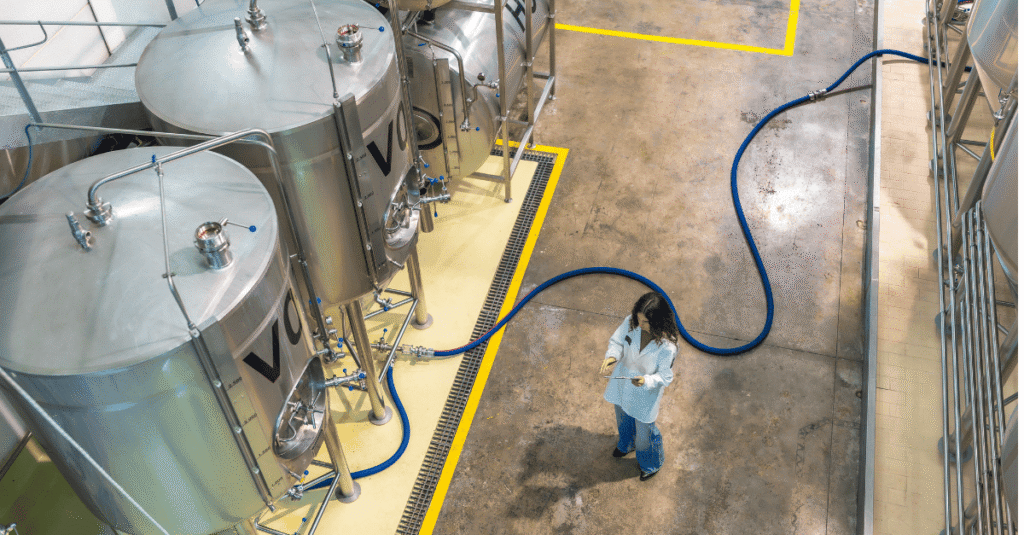
There are plenty of exciting platform technologies in the bioeconomy. But when it comes to commercial production of bioplastics, biochemicals and advanced biomaterials, one process seems to be talked about in just about every discussion: microbial fermentation.
This is not because fermentation is new. In fact, it’s one of the world’s oldest biotechnologies. What is new is what we can make microorganisms make, and how well they can make it.
For project developers, investors and technology companies seeking to bring biobased products to market, fermentation is no longer simply a unit operation. It is fast becoming the bottleneck between a promising lab discovery and a successful business venture.
Fermentation is not new to industries such as foods, beverages and pharmaceuticals. But now the scope of products and the complexity of organisms involved is expanding.
Microbial fermentation is a core process in biomanufacturing where microorganisms convert feedstocks into fuels, chemicals, and materials. While widely used at lab scale, scaling fermentation to commercial production remains one of the most complex technical and economic challenges in the bioeconomy.
Microbial Fermentation’s Moment in the Sun
The advent of synthetic biology, metabolic engineering, and adaptive laboratory evolution have opened up new possibilities. New strains of yeast, bacteria and fungi can now transform sugars, organic acids, waste gases and even CO₂ into products that until now have relied on petroleum-based starting materials or energy-intensive chemical reactions.
This has resulted in an expanding portfolio of products from fermentation including bioplastics (PHA, PLA precursors), organic acids (succinic, lactic, citric), specialty chemicals, biosurfactants, proteins and oils for food and feed. There are technical and commercial considerations for each of these categories, but they all rely on successful fermentation.
For biomanufacturing, that’s a double-edged sword. The opportunity is that fermentation can produce new, high-value, low-carbon products from sustainable resources. So too is the risk: scaling up fermentation is not a trivial exercise.
The Hard Part Is Scale-Up
If there’s one lesson from the bioeconomy, it’s this: good results in a shake flask usually don’t translate into good results in commercial fermentation production.
The reasons are mostly practical. Gas-liquid mass transfer is different in a 50,000-liter bioreactor than in a 2-liter shake flask. Contamination risks increase. Substrate changes induce variable performance that never occurs with lab-grown media. Separation and purification costs, which are usually underestimated in early development, can become a major part of the total production cost.
All of these challenges are not insurmountable. But they require different work than strain development. It requires process engineering, fermentation kinetics, pilot work, and an appreciation for what the microorganism can and can’t handle at scale.
Organisations that consider scale-up to be “more R&D” tend to spend money more quickly. Those that plan for iteration and invest in pilot processing, and get process-level expertise early, tend to hit commercial targets with fewer unexpected bumps.
Where the Market Is Heading
A number of industries are driving fermentation products faster into the marketplace.
Biopolymers and bioplastics are still the most visible products. Fermentative production of the plastic PHA (polyhydroxyalkanoate) has seen strong investment, largely driven by the need for biodegradable substitutes to traditional plastics. The challenge is cost competitiveness. High feedstock costs and processing costs continue to make PHA more expensive than its petrochemical counterparts, but costs are coming down as process improvements and the use of waste-based feedstocks are underway.
Biochemicals and platform molecules are a larger but more diverse market. Succinic acid, 1,3-propanediol and farnesene are examples of molecules that are being produced at commercial scale in fermentation, with varying levels of success. The first wave has taught us that scalable technical success is not enough. Agreements for supply, feedstock costs and timing of markets are equally important.
Funding is pouring into precision fermentation for food and feed, especially for “protein, fat, and more” without agriculture. The science is sound, but the regulatory, consumer and cost-at-scale questions remain open in most markets.
In all three areas, the companies getting it right often have one thing in common: they’re not simply working with “fermenters”, but also taking a holistic view of biology, engineering and economics in a single system.
Why Scale-Up Needs Specialized Consulting
Fermentation projects are a nexus of biology, chemical engineering, and business strategy. If you get just one wrong, a project can be delayed for months or years.
That’s where fermentation engineering consulting and applied biotechnology consulting shine. Process experts can challenge assumptions on strain performance, media costs, oxygen transfer and downstream processing before these become embedded in capital estimates and funding presentations.
Lenders and investors doing due diligence on fermentation projects benefit from working with a fermentation process expert, who can help them avoid an early morning wake-up call due to the vagaries of biology.
Our experience with fermentation-based projects at LEC Partners includes techno-economic studies, process modelling, technology due diligence and troubleshooting. What’s common to all of these opportunities is that the sooner process-level expertise is brought in, the better.
Building the Next Generation of Biomanufacturing
Microbial fermentation is not a silver bullet. It is a powerful, versatile, and increasingly well-developed platform that requires significant engineering, economic, and scale-up work.
The real question for the companies, investors and developers of the next generation of biomanufacturing is not whether fermentation will work. It is whether a particular organism, feedstock, process and market opportunity will all be compatible at a cost and scale that makes business sense.
It is a question that should be answered before money is spent.
Questions We Often Hear from Clients About Microbial Fermentation
Why is fermentation scale-up often the biggest bottleneck?
Even when a microorganism performs well in the lab, scaling introduces challenges in oxygen transfer, contamination risk, and downstream processing. These factors can significantly change both yield and cost at commercial scale.
What typically causes fermentation projects to struggle commercially?
Most challenges are not driven by biology alone. Issues often arise from underestimated separation costs, inconsistent feedstocks, or misalignment between process design and market economics.
When should process engineering expertise be brought into a project?
Ideally, early. Bringing in process and scale-up expertise during development helps avoid embedding unrealistic assumptions into capital estimates and project timelines.
Speak with Our Team
If you are developing, funding or scaling a fermentation process, we can work with you to assess the technical and commercial fundamentals as deeply as they need to be.


Have some questions?
Not sure where to start?
Let's start a conversation. We're here to help you navigate
the bioeconomy with confidence.